

Your cart
There are no more items in your cart

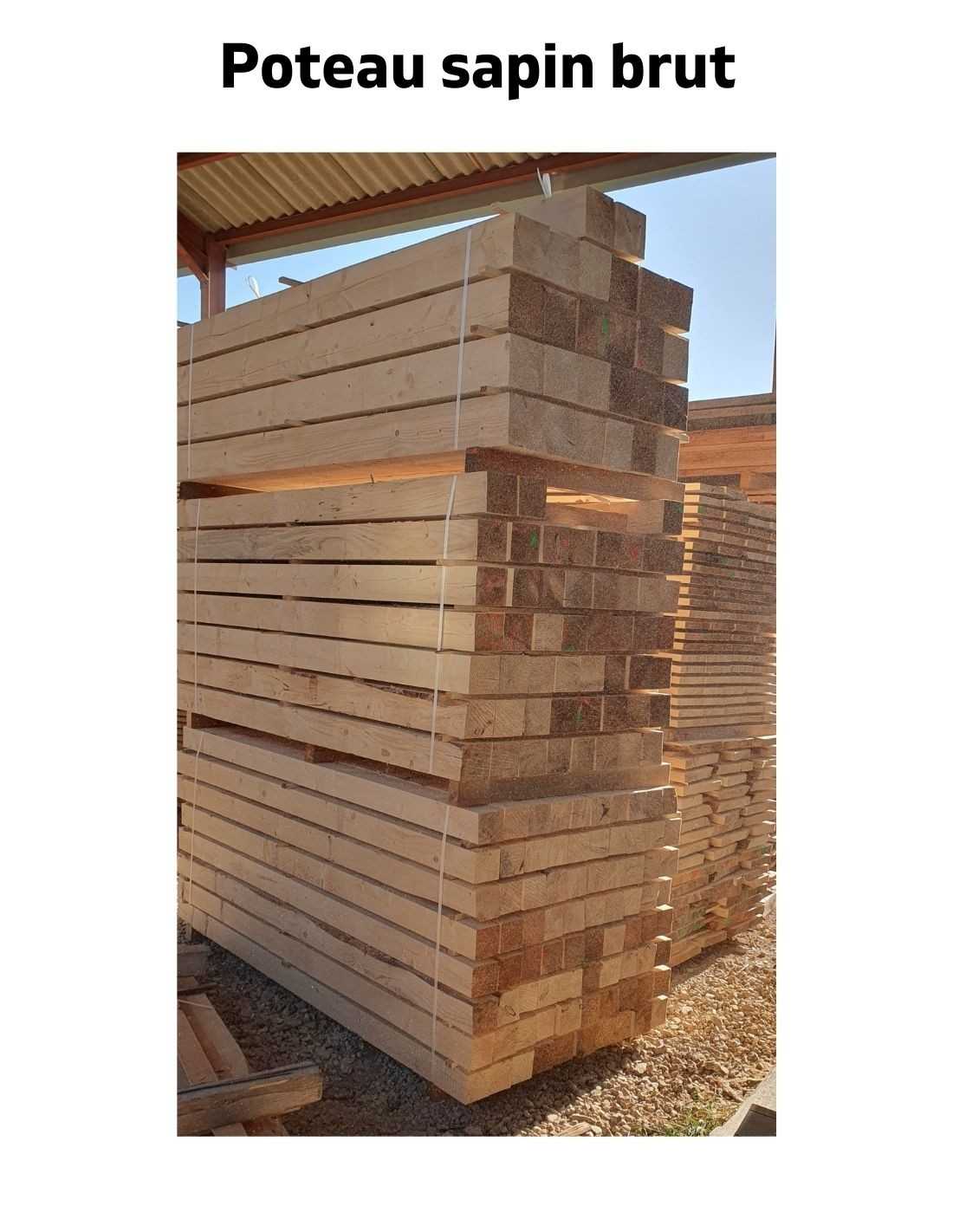
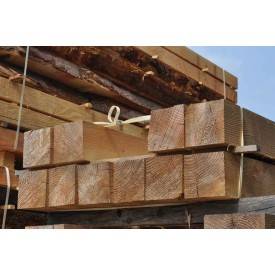
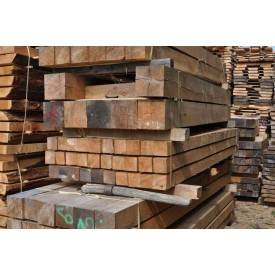
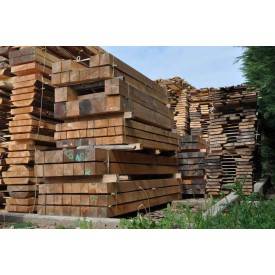
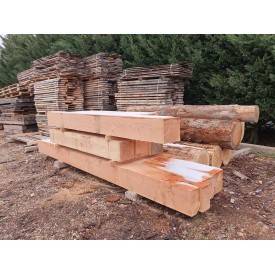
Rough-sawn solid fir post, untreated, sections 10x10cm, 12x12cm and 15x15cm, lengths 200cm and 240cm, sold individually. Class 2: dry indoor use or covered outdoor use – staining or saturating treatment is essential before any exposure to moisture or the elements to prevent rapid deterioration. Light construction, framing, covered garden shed – section to be chosen according to span and loads, to be cut and treated according to site requirements.
This sawn solid fir post is a square-section piece intended for load-bearing structures: pergola, carport, garden shed, fence, raised deck. Available in 3 sections — 10x10cm, 12x12cm, 15x15cm — and in two lengths: 200cm and 240cm. The piece is delivered untreated, ready to be protected according to its use and exposure.
Sawn fir is the most economical option in square section. These sections cover light to intermediate construction: garden sheds, huts, hutches, ancillary structures. The sawn appearance suits non-visible applications or projects where the natural character of the timber is valued.
| Characteristic | Value |
|---|---|
| Species | Solid fir |
| Finish | Sawn — untreated |
| Available sections | 10x10cm, 12x12cm, 15x15cm |
| Available lengths | 200cm and 240cm |
| Use class | Class 2 — dry indoor use, covered outdoor use with appropriate treatment |
| Treatment | Untreated — to be protected according to exposure |
| Drying | Air-dried — natural method |
| Cutting | Sold individually |
The choice of section depends on the post height, the load to be supported and the spacing between posts:
For structures subject to significant loads (snow, wind, spans> 4m), consult a timber structural engineer or a carpenter for precise sizing.
Never embed an untreated post directly in the ground — even class 3 Douglas fir deteriorates rapidly in contact with damp soil. For embedded posts, use stainless steel base plates anchored in concrete, or opt for pressure-treated class 4 timber. For posts set on a slab, use adjustable galvanised or stainless steel post bases. Apply protection to all faces before installation, paying particular attention to cut ends.
In dry indoor conditions, no treatment is required. For any outdoor use, a fungicide-insecticide treatment is recommended before installation. Do not embed without class 4 protection. Untreated fir deteriorates rapidly in damp conditions.
For a garden shed built with sawn fir posts, always treat the ends (cut ends) with a fungicide product — these are the areas most exposed to water ingress.
Before purchasing: Sawn fir may have visible knots and a fibrous surface — this is its natural sawn appearance. Light sanding (80 grit) is sufficient if the piece is visible.
For a standard residential pergola (3–4m span, light roofing), the 12x12cm section is generally sufficient for a height of 240cm. For a pergola with a planted or heavy roof, or spans> 4m, choose a larger section. If in doubt, consult a carpenter or a structural engineer.
No. An untreated post must not be placed in direct contact with damp soil — even class 3 Douglas fir deteriorates in ground contact (class 4 required). Use a base plate anchored in concrete, or order pressure-treated class 4 timber for embedded posts.
Untreated fir is sensitive to moisture — a fungicide-insecticide treatment is recommended for any outdoor use. In dry indoor conditions, no treatment is necessary.
The sawn post retains the natural sawn appearance with slightly irregular faces and nominal dimensions (e.g. 100x100mm). The planed post is machined on all 4 faces to achieve smooth surfaces and precise dimensions, slightly smaller than nominal. For exposed structures, the planed finish offers a neater result. For concealed or embedded structures, the sawn version is equivalent.
Yes. Lightly sand the faces (80–120 grit) before application. For exterior paint, apply a primer specifically for resinous timber. For stain or oil, apply directly to dry timber. Planed posts offer better adhesion for finishing products.
Planed fir post — same species, smooth surface
Sawn Douglas fir post — same finish, naturally outdoor

No questions yet.

Dispatch within 10 days when the product is in stock *.
* Except bespoke products
Dispatched within 6-8 weeks for personalised and made-to-measure products.

Payment in 1 or 3 instalments at no extra cost. Bank transfer, cheque or PayPal

Satisfied or refunded if returned within 14 calendar days (Sundays and public holidays included) following delivery.
No questions yet.