

Your cart
There are no more items in your cart

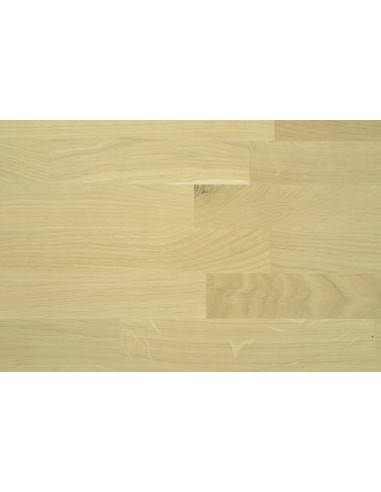
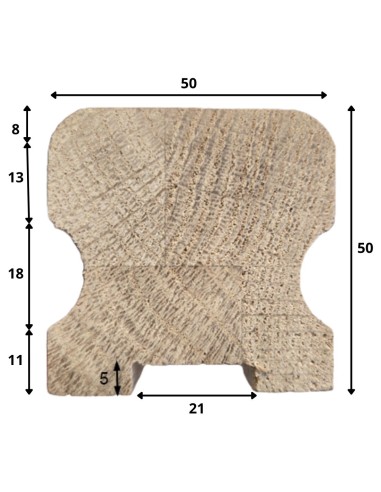
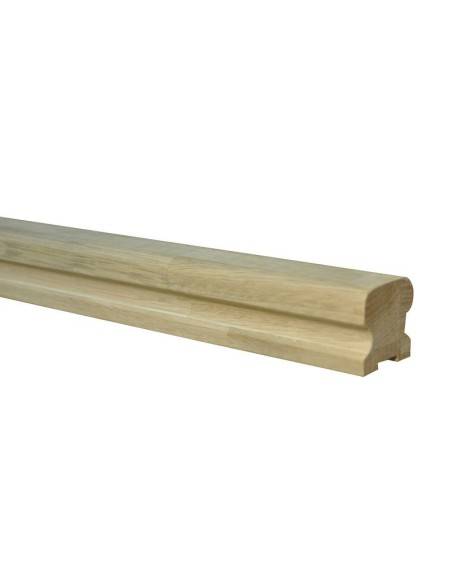
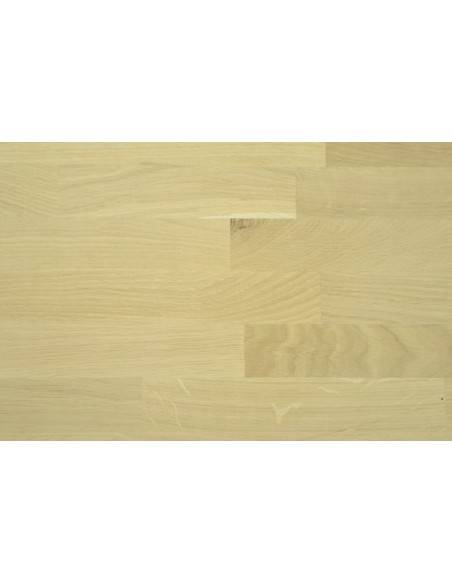
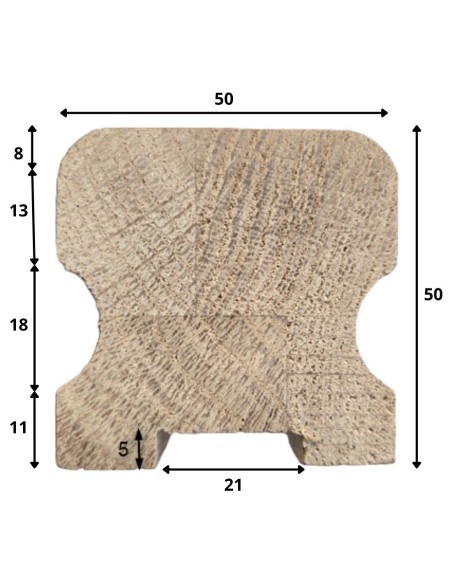
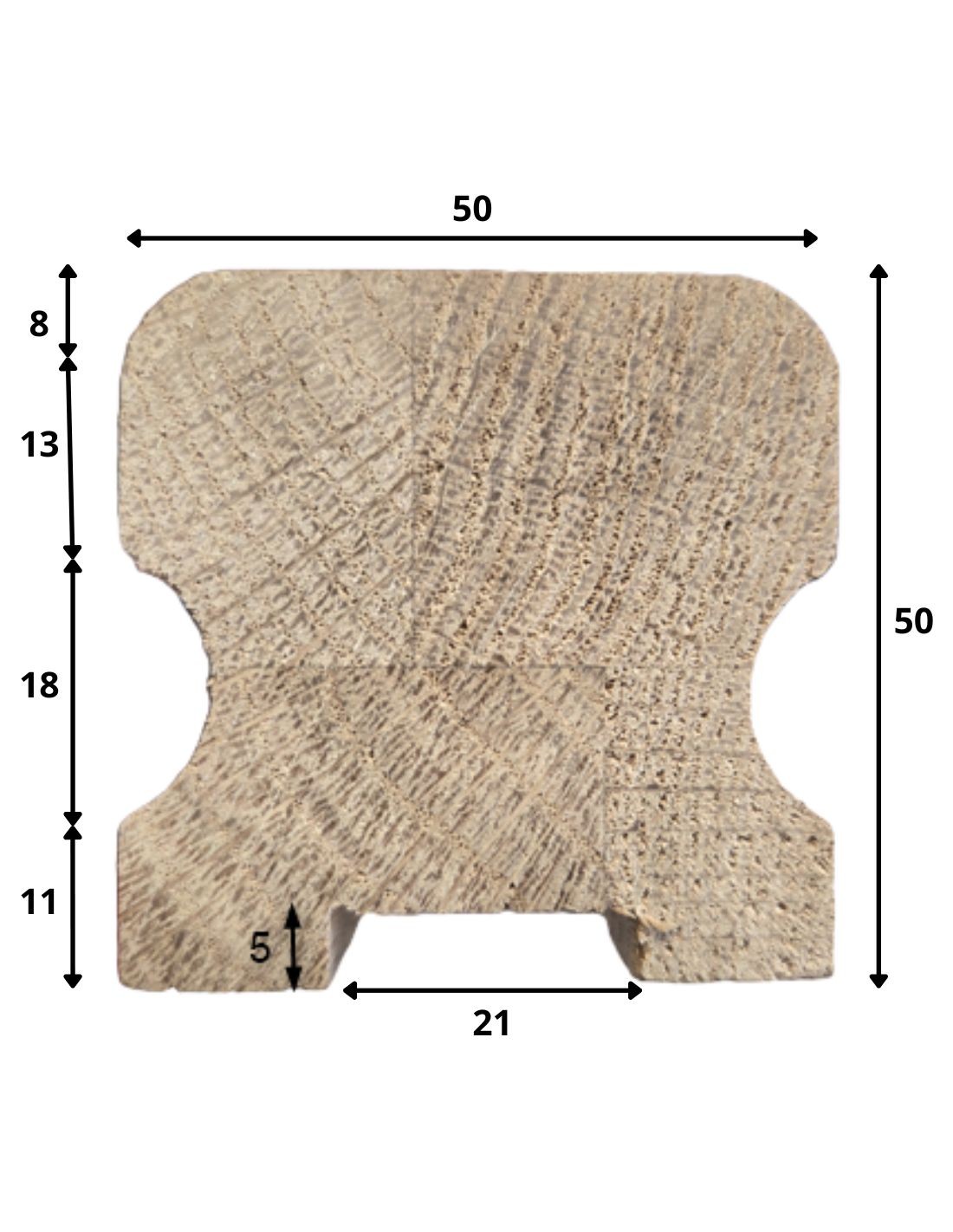
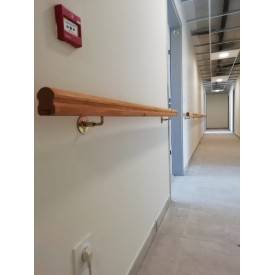
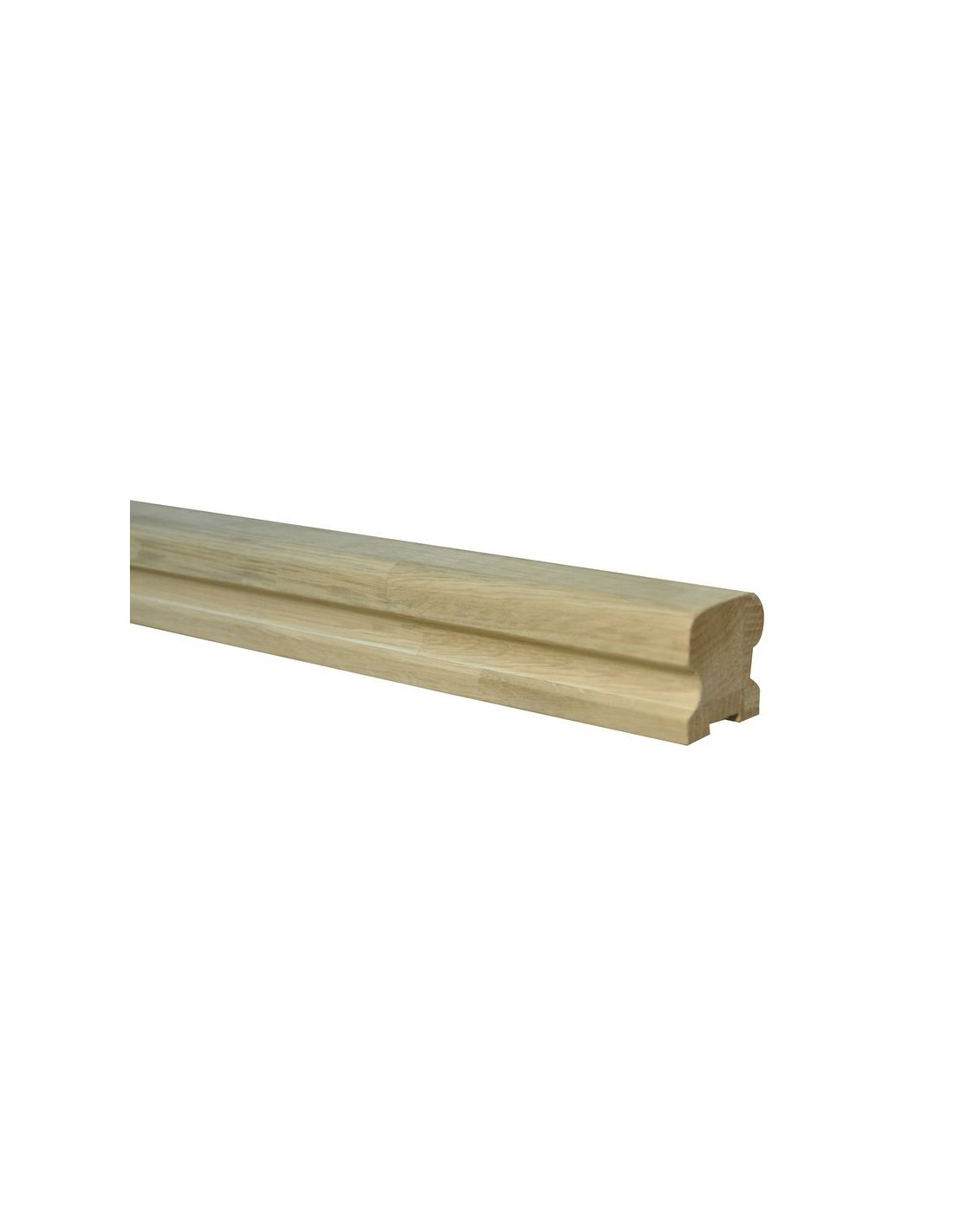
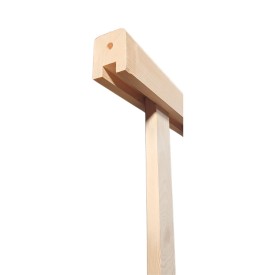
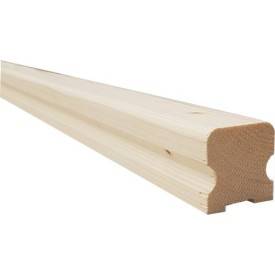
Handrail in solid glulam oak 50x50 mm, moulded profile with 21x5 mm groove. Very hard and stable wood (~750 kg/m³), excellent long-term abrasion resistance. Available in 3 lengths: 150 cm, 195 cm, 250 cm. Supplied raw, to be varnished, oiled or finished with floor finish before use. Interior use only. Wall brackets and screws to be ordered separately. Pre-drilling required before screwing into oak to avoid splitting.
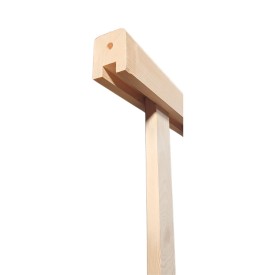
This laminated solid oak handrail has a moulded 50x50 mm cross-section and a 21x5 mm groove for mounting on standard wall brackets. Oak is a very hard hardwood, with a density of ~750 kg/m³, and is among the most abrasion-resistant woods available for interior joinery in France. It suits both heavily used residential staircases and carefully finished interiors where the wood’s durability should remain evident over time.
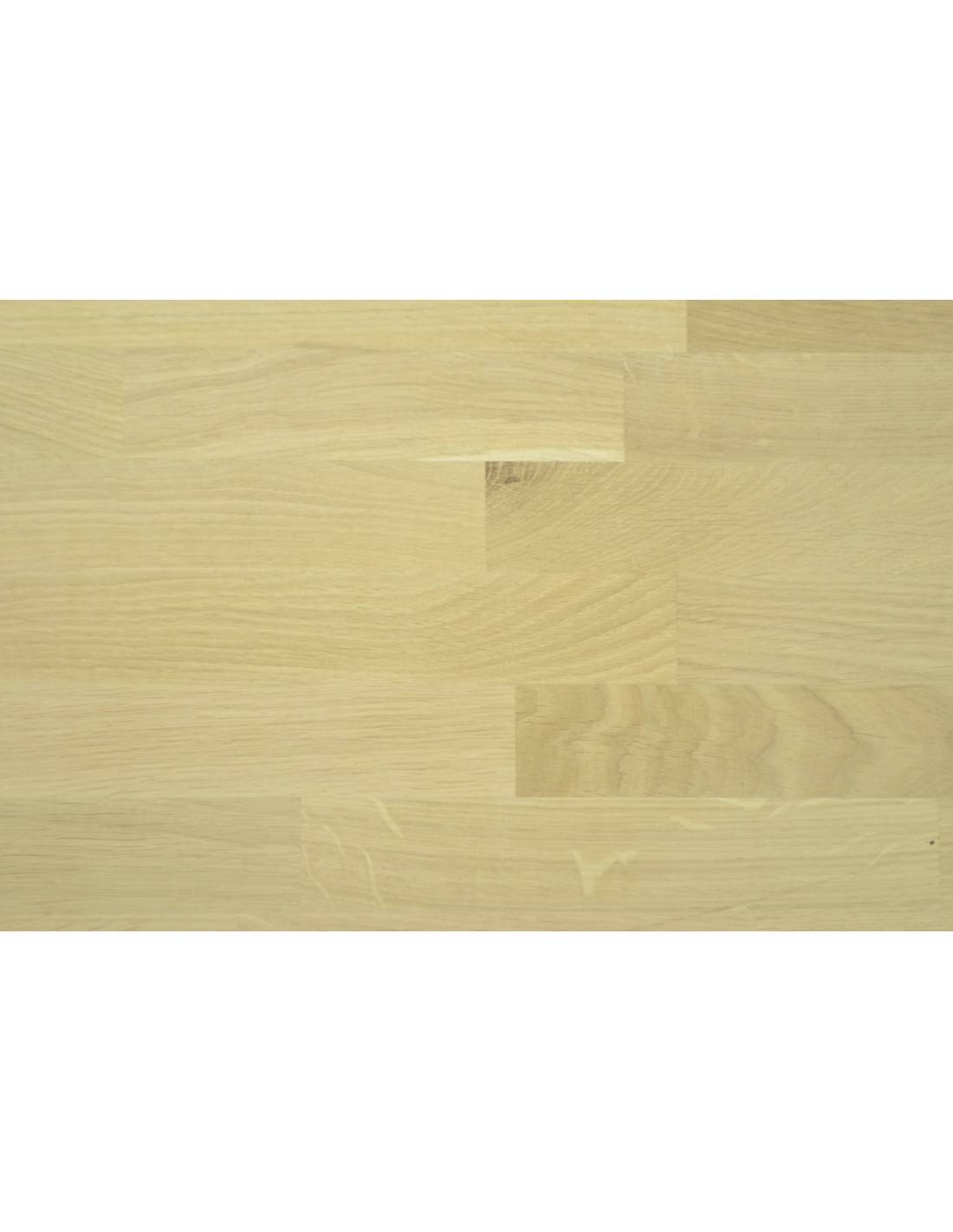
Laminated construction provides better dimensional stability than unfinished solid wood: the glued layers are arranged in alternating directions to limit movement caused by changes in humidity. This is particularly useful for a handrail exposed to temperature and humidity variations throughout the year. For indoor use only: without specific outdoor treatment, laminated oak can crack and warp outside.
Three lengths are available: 200, 250 and 300 cm. The profile is supplied unfinished and must be treated before use. Brackets and fixings compatible with the 21x5 mm groove must be purchased separately.
| Specification | Description |
|---|---|
| Material | Laminated solid oak |
| Cross-section | 50 x 50 mm, moulded |
| Groove | 21 x 5 mm – compatible with standard brackets |
| Available lengths | 150 cm, 195 cm, 250 cm |
| Density | ~750 kg/m³ – very hard wood, excellent longevity |
| Brackets and fixings | Not supplied – order separately |
| Use | Indoor use only |
| Finish | Unfinished wood – apply varnish, oil, floor-grade varnish or wax before use |
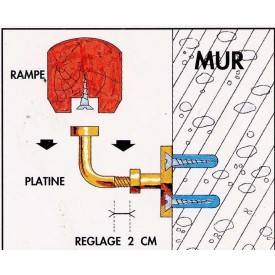
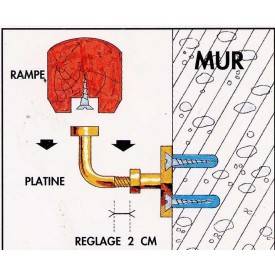
Choose brackets compatible with the 21x5 mm groove before purchasing. Position the brackets at regular intervals, with a maximum spacing of 80 cm between support points. Install the handrail 80 to 100 cm above the stair nosings or finished floor.
Oak is a very hard wood that requires pilot holes for every screw. Without them, the wood may split or the screw may bend. Use a drill bit slightly smaller than the screw diameter. Cut with a circular saw fitted with a fine-toothed blade, at least 40 teeth. Sand the cut end with 120-grit paper before applying the finish. Ideally, apply the finish before installation.
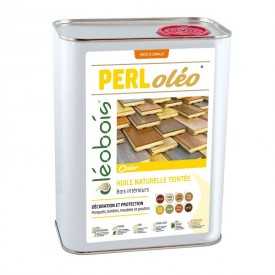
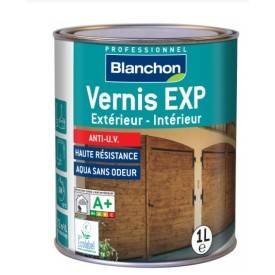
Unfinished laminated oak must be treated before use. Recommended finishes depend on the look you want:
For routine cleaning, a slightly damp cloth is enough. Avoid abrasive or acidic products and household cleaners unsuitable for wood. As oak ages, it naturally develops a patina with more golden tones; regular oiling enhances this effect.
Before you buy: solid oak is a hard, tannin-rich wood, so pilot holes are essential before inserting any screws. Oak tannins cause black stains when they come into contact with iron: use only stainless steel or brass-plated screws. Compatible with brackets for a 21x5 mm groove. Wall fixings are not supplied. Treat all sides before installation. Indoor use only.
Oak, with a density of ~750 kg/m³, is slightly harder than beech (~720 kg/m³) and has a more pronounced grain, often prized for its natural appearance. Beech is more uniform and easier to stain evenly. Both woods suit staircases subject to heavy daily use. Oak is generally preferred in interiors that showcase the wood’s natural colour and grain.
Yes, absolutely. Oak is a very hard wood: driving screws without pilot holes risks splitting the wood or bending the screw. Use a drill bit slightly smaller than the screw diameter, for example a 3.5 mm bit for a 4 mm screw. This precaution is especially important within 5 cm of the ends.
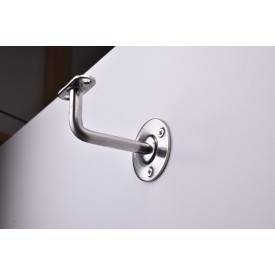
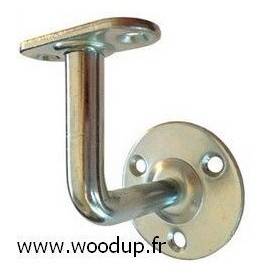
The brackets must be compatible with a groove 21 mm wide and 5 mm deep. Woodup offers compatible black-coated and bichromated steel brackets. Allow one bracket every 60 to 80 cm for stable support along the full length.
Floor-grade varnish offers the most protection for a frequently used handrail: it forms a hard film that stands up well to everyday rubbing. Natural oil is preferred for a matt finish and a warm wood appearance, but needs reapplying every 2 to 3 years. Avoid opaque paints that would hide oak’s characteristic grain.
No. Although unfinished oak is naturally durable outdoors, laminated oak is not suitable for outdoor exposure without specific treatment. The adhesives used for indoor laminated timber are not designed to withstand freeze–thaw cycles and rain. Outdoor use would require treated solid oak or another suitable timber species.
Yes. Use a circular saw with a fine-toothed blade, at least 40 teeth, to avoid splintering the visible faces. Mark a square cut and saw steadily without forcing the blade. Sand the cut end with 120-grit paper, then apply a coat of finish to protect the exposed wood.

No questions yet.
You might also like

Dispatch within 10 days when the product is in stock *.
* Except bespoke products
Dispatched within 6-8 weeks for personalised and made-to-measure products.

Payment in 1 or 3 instalments at no extra cost. Bank transfer, cheque or PayPal

Satisfied or refunded if returned within 14 calendar days (Sundays and public holidays included) following delivery.
No questions yet.