

Your cart
There are no more items in your cart
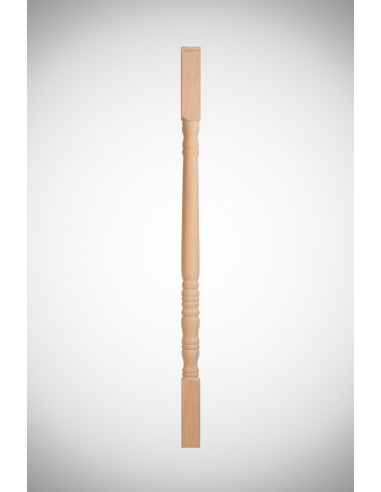
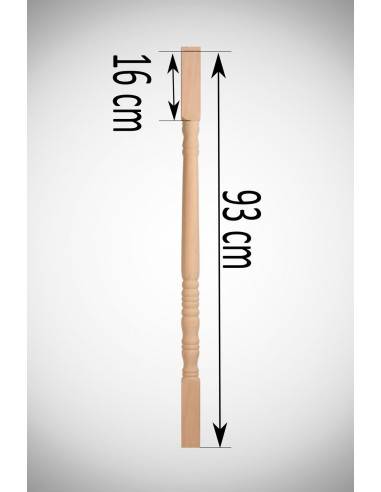
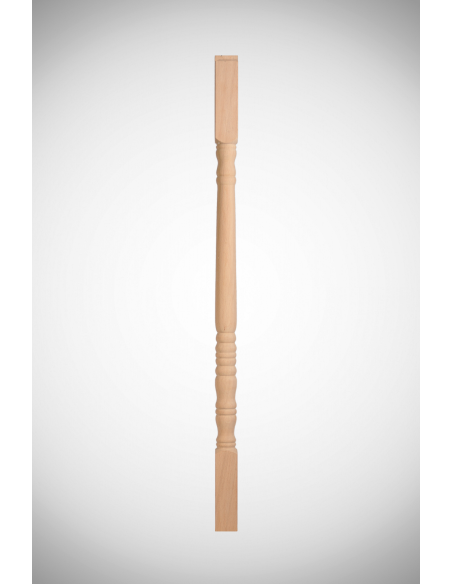
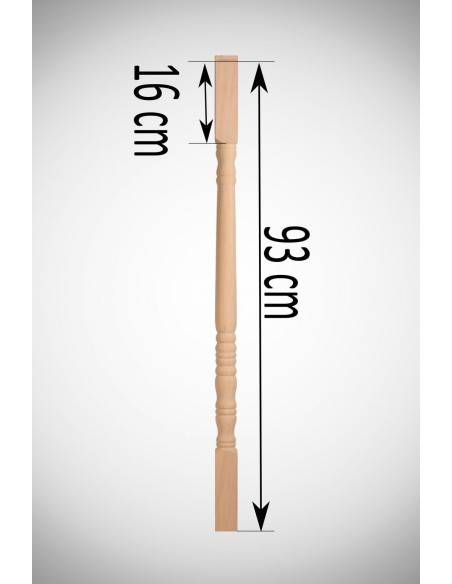
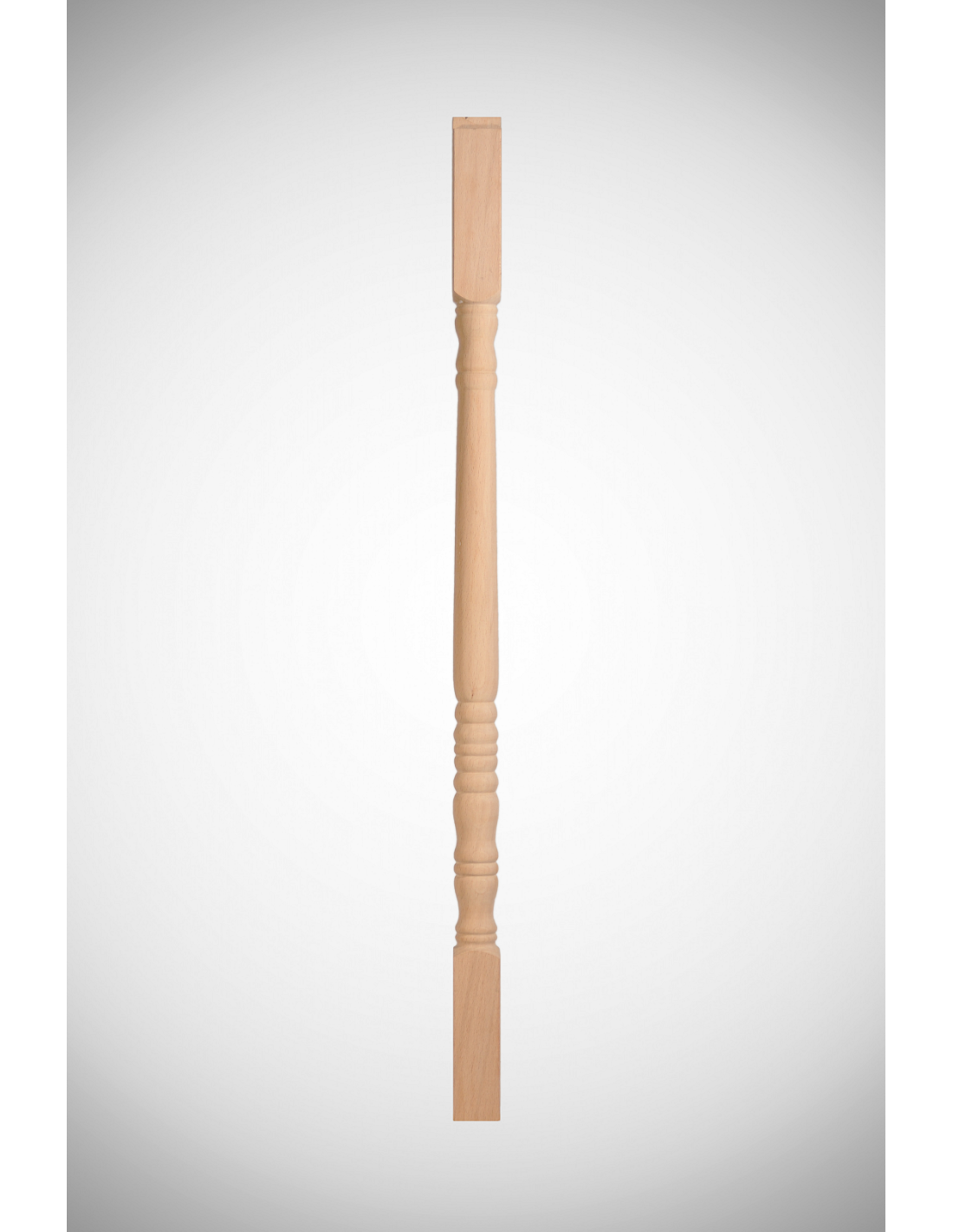
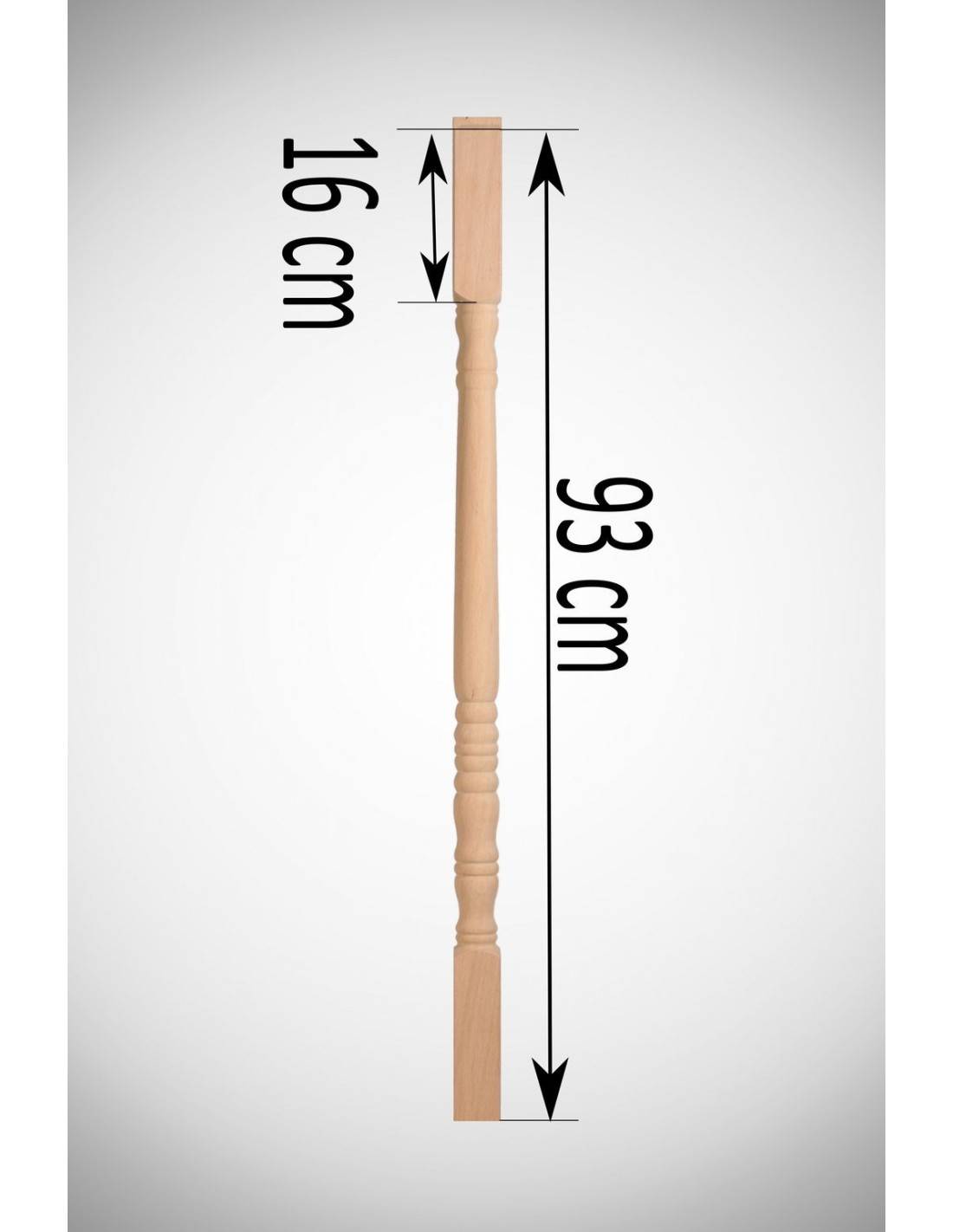
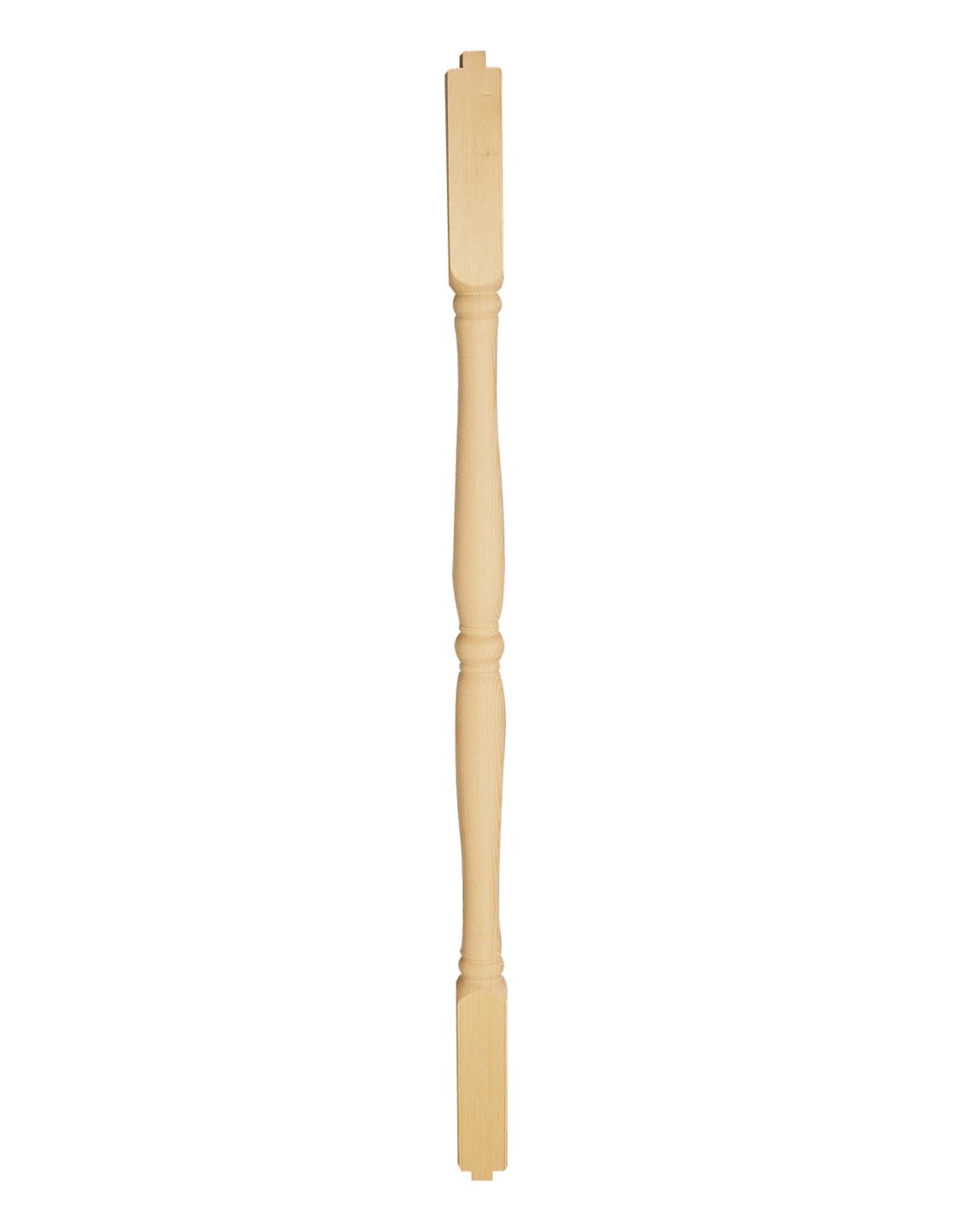
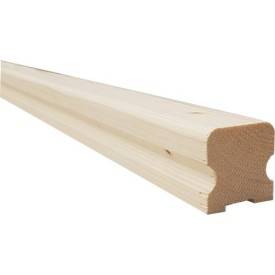
Turned solid wood baluster H 95cm — 42x42mm section, classic turned profile. Fir, pine or beech. Raw untreated. Sold individually. Max spacing: 11cm between balusters. Compatible with WoodUp turned posts and bottom rails. Interior use only.
This turned solid wood baluster measures 95 cm in height with a 42x42 mm section. Its lathe-turned profile, with its characteristic swellings and grooves of the traditional classic style, forms the vertical infill of a balustrade with a refined and ornate aesthetic. It pairs with turned newel posts Turned solid wood post, wall-mounted turned half-posts Turned solid wood half-post, bottom rails Solid wood bottom rail and moulded handrails Moulded solid wood handrail to create a complete traditional balustrade.
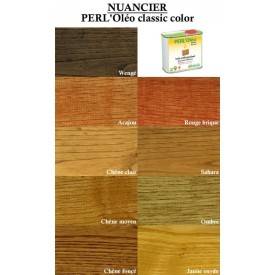
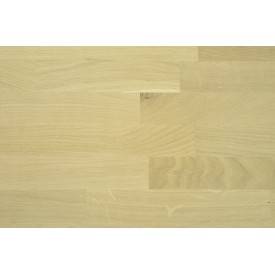
Available in fir, pine or beech, it is supplied raw and untreated to allow a personalised finish (paint, stain, oil or varnish). The spacing between balusters must not exceed 11 cm in accordance with standard NF P01-012. Sold individually, it allows you to compose the infill exactly to the length of your balustrade. Interior use only.
| Characteristic | Value |
|---|---|
| Available timber species | Fir / Pine / Beech |
| Height | 950 mm |
| Section | 42x42 mm (square section of the turned part) |
| Profile | Turned — traditional classic style |
| Max spacing | 11 cm between balusters (standard NF P01-012) |
| Finish | Raw untreated |
| Use | Interior use only |
| Sold | Individually |
Calculating the number of balusters: Over 1 metre of span with 11cm spacing between 42mm balusters: 1000 ÷ (42 + 110) = 6.5 → 6 balusters. Check the actual spacing: (1000 − 6x42) ÷ 7 spaces = 106mm — compliant ≤ 11cm.
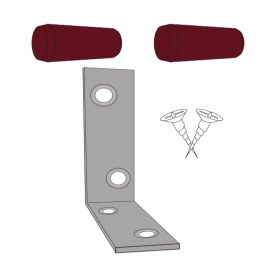
Installation: Insert the balusters into the groove of the bottom rail (minimum depth 15mm). Distribute the spacing evenly before fixing the handrail. For balustrades without a groove, fix using discreet screwing from the bottom rail and handrail. Apply the finish before installation to easily cover the recesses of the turning.
Finishing the turned profile: The recesses of the turning require particular attention — a fine brush allows the grooves to be covered without runs. Two coats of oil-wax or varnish applied by brush before installation ensure uniform protection on all surfaces.
Turned profiles accumulate dust in their grooves — an annual clean with soapy water and a soft brush is sufficient to keep them clean. Varnish offers the best resistance to impacts and scratches for a heavily used staircase. Oil-wax is easy to renew but requires more maintenance. Avoid strong household detergent products that would dull the finish.
Over 2 metres with 42mm balusters at 11cm spacing: 2000 ÷ (42 + 110) = 13.1 → rounded to 13 balusters. Check: (2000 − 13x42) ÷ 14 spaces = 104mm — compliant ≤ 11cm. Always order 1 to 2 extra units to allow for any off-cuts.
Yes. The 42mm section of the turned balusters fits into the 18x15mm grooves of the bottom rails Solid wood bottom rail. The 18mm-wide groove allows easy insertion of the baluster with a slight centring clearance. For a perfect hold, apply a bead of wood glue into the groove before final insertion.
Stylistically, the mix creates a contrasting effect between the worked profile and the straight line — a surprising result that can be embraced as a deliberate decorative choice. Technically, both fit into the same grooved bottom rails. Simply ensure that the total spacing between each element (whether turned or straight) remains ≤ 11cm.
Yes. Fine-grained beech accepts gloss varnish or gloss lacquer perfectly for a classic interior style. Apply a minimum of 3 coats, sanding lightly between each coat with 400-grit paper. The result on beech is particularly even and intense — the species takes gloss finishes well thanks to its tight, knot-free grain.
Turned solid wood post 120cm — coordinated newel post
Turned half-post — coordinated wall-mounted version

No customer questions for the moment.
You might also like

Dispatch within 10 days when the product is in stock *.
* Except bespoke products
Dispatched within 6-8 weeks for personalised and made-to-measure products.

Payment in 1 or 3 instalments at no extra cost. Bank transfer, cheque or PayPal

Satisfied or refunded if returned within 14 calendar days (Sundays and public holidays included) following delivery.



No customer questions for the moment.