

Your cart
There are no more items in your cart

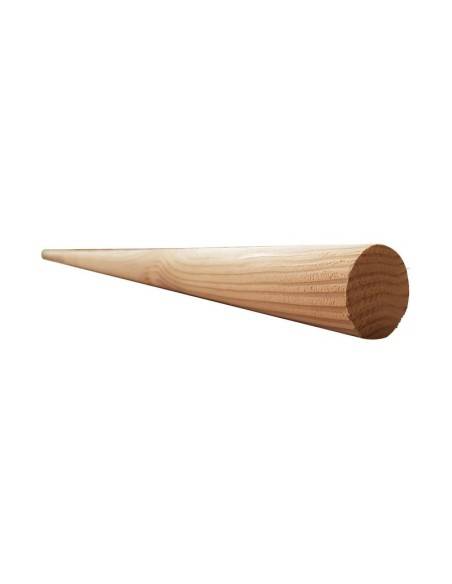
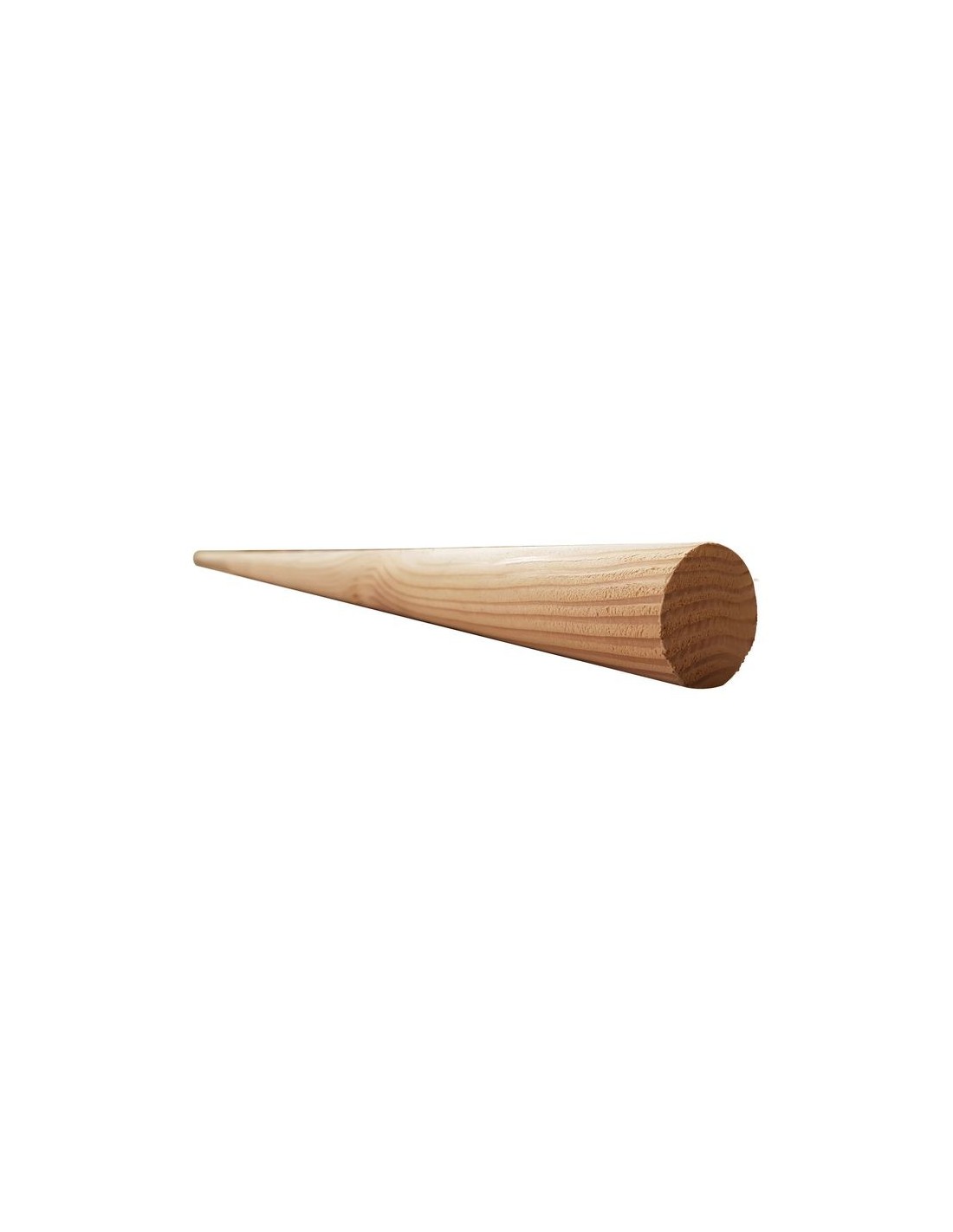
Round solid Douglas fir Ø42 mm handrail with a cylindrical profile for a continuous grip. Class 3 wood, naturally resistant to moisture – suitable for indoor and sheltered outdoor use. Available in 5 lengths: 100 cm, 150 cm, 195 cm, 250 cm, 295 cm. Supplied unfinished and can be cut to the required length. A finish (exterior oil, wood stain or varnish) is recommended for outdoor exposure. Stainless steel fixings are recommended outdoors. Brackets for a Ø42 mm round profile must be ordered separately.
This round solid Douglas fir Ø42 mm handrail is made from one of the few woods in the range suitable for both indoor and sheltered outdoor use. Douglas fir (Pseudotsuga menziesii) is a softwood with natural class 3 durability: its tannins provide sufficient resistance to fungi and wood-boring insects for semi-sheltered locations (under a canopy, pergola or covered walkway). A protective finish is essential outdoors where it is directly exposed to rain.
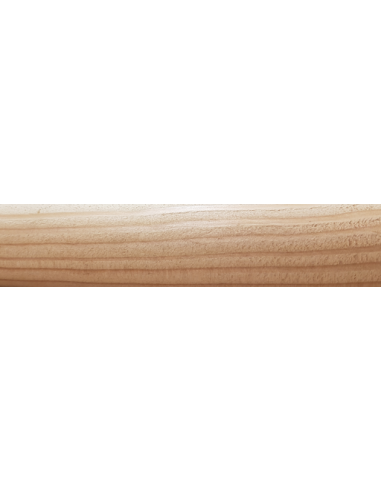
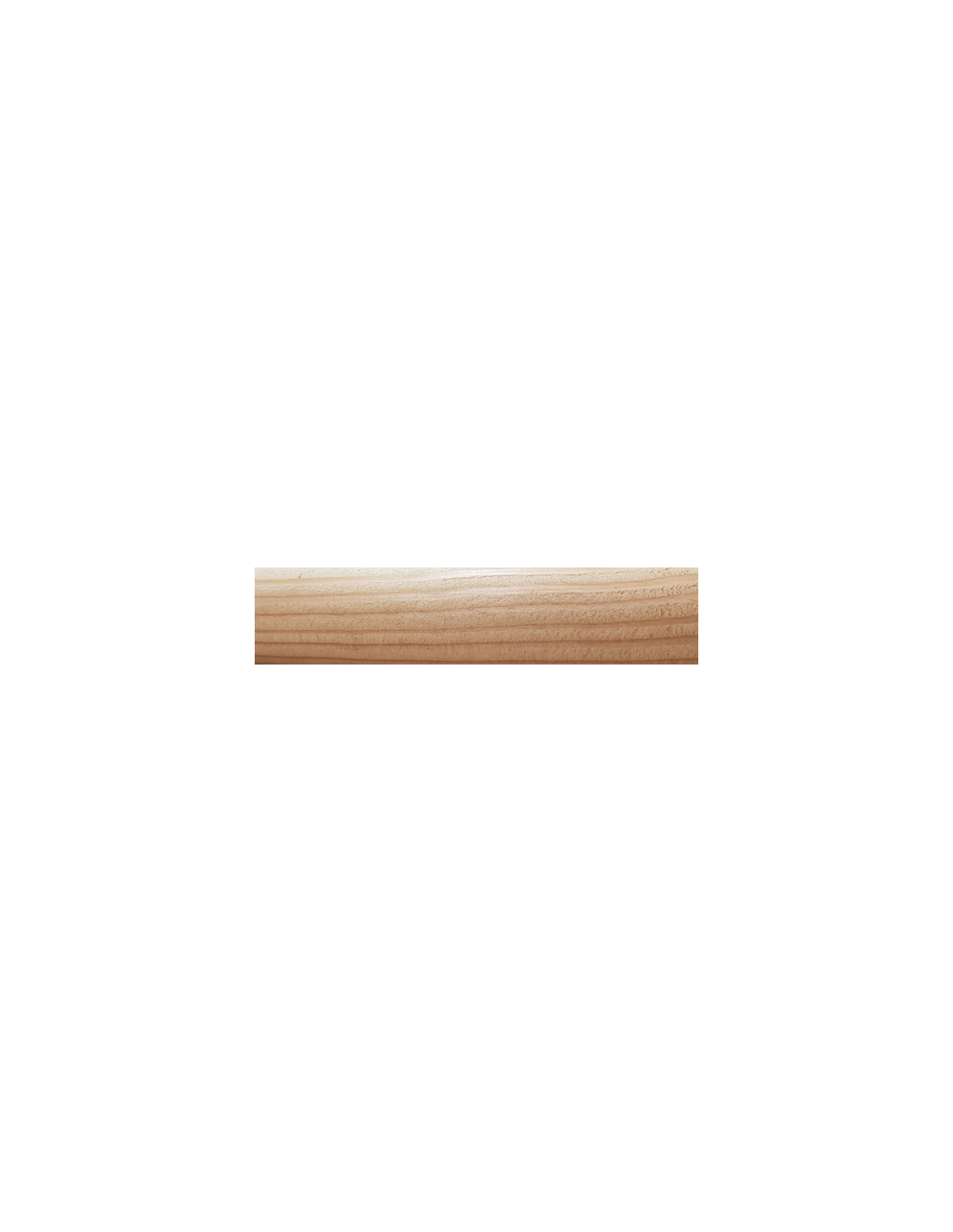
The 42 mm diameter cylindrical profile provides a comfortable, consistent grip along its full length. Douglas fir has a moderate density (~530 kg/m³) and is lighter than oak or beech, making it easier to handle and install. Its warm natural colour – light reddish-brown with a pronounced grain – suits both contemporary interiors and outdoor timber features.
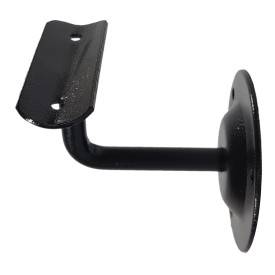
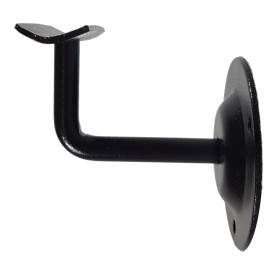
Mounting brackets must be ordered separately and must fit a Ø42 mm round profile. The wood is supplied unfinished and can be cut to the exact length required.
| Specification | Description |
|---|---|
| Material | Solid Douglas fir (Pseudotsuga menziesii) |
| Diameter | Ø 42 mm |
| Durability class | Natural class 3 durability – indoor and sheltered outdoor use |
| Density | ~530 kg/m³ |
| Available lengths | 100 cm, 150 cm, 195 cm, 250 cm, 295 cm |
| Brackets and fixings | Not supplied – brackets for a Ø42 mm round profile must be ordered separately |
| Use | Indoor and sheltered outdoor use – a finish is essential for fully exposed outdoor use |
| Finish | Unfinished wood – exterior oil, wood stain or varnish recommended |
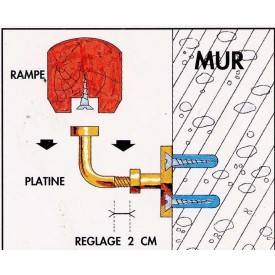
Choose brackets suitable for a Ø42 mm round profile – collars or cradle brackets, rather than the grooved brackets used for moulded profiles. Position the brackets at regular intervals, with a maximum spacing of 80 cm between support points. Install the handrail at a height of 80 to 100 cm above the stair nosing or finished floor.
For outdoor use, use at least A2 stainless steel fixings to prevent rust stains on the wood. Ideally, apply your chosen finish before installation, while all sides are still accessible. If cutting is required, sand the cut end with 120-grit sandpaper and immediately apply a coat of finish to it – exposed wood is the most vulnerable area.
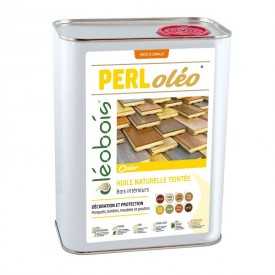
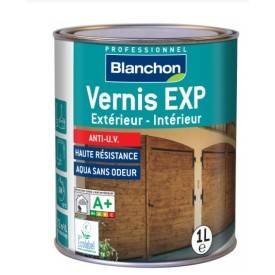
Indoors, Douglas fir performs well without a finish, but surface protection improves its resistance to dirt. In sheltered outdoor locations, a finish is strongly recommended to limit greying and extend its lifespan. Options depending on use:
Without a finish, Douglas fir naturally turns grey after 6 to 12 months. This is purely cosmetic and does not affect its mechanical properties or weather resistance. For routine care in sheltered outdoor locations, an annual clean with plain water is sufficient.
Before you buy: Douglas fir is one of the few woods in the range suitable for sheltered outdoor use (class 3). Apply a class 3 oil or wood stain before installation. Ø42 mm round profile: cradle brackets required. Wall fixings not supplied – use stainless steel screws outdoors. Indoors, a decorative finish is sufficient.
Yes, in a sheltered outdoor location (under a canopy, covered pergola or covered walkway): class 3 Douglas fir is naturally resistant to fungi and insects thanks to its tannins. For direct exposure to rain or constant contact with moisture, however, a protective finish (exterior oil or wood stain) is essential to prevent rapid greying and surface cracks.
Always use at least A2 stainless steel fixings (or A4 in coastal environments). Ordinary zinc-plated steel screws corrode quickly when exposed to moisture and the acidic tannins in Douglas fir, leaving unsightly, permanent rust stains on the wood.
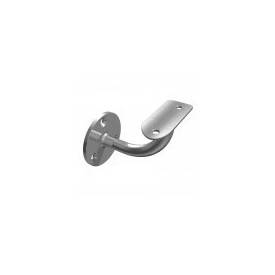
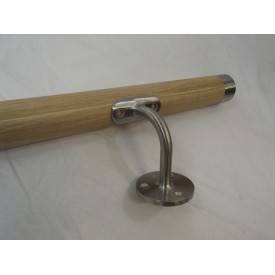
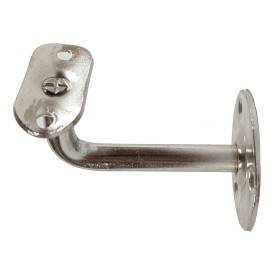
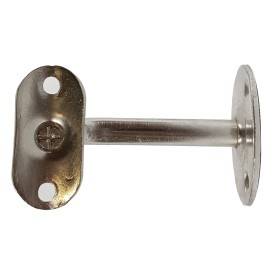
Brackets must fit a round profile – Ø42 mm collars or cradle brackets, rather than grooved brackets. Woodup offers compatible brackets for round handrails in this diameter, sold separately. Allow one bracket every 60 to 80 cm for secure fixing.
Douglas fir (class 3) is naturally resistant to fungi and insects without preservative treatment. Fir (class 1–2) is intended exclusively for indoor use; without specific treatment, it deteriorates quickly outdoors. For any outdoor use, even in a sheltered location, Douglas fir is therefore the appropriate choice among the softwoods in the range.
Yes. Douglas fir is easy to cut with a circular saw or mitre saw. After cutting, sand the cut end with 120-grit sandpaper, then immediately apply a coat of finish to it. Exposed ends are the most vulnerable to moisture and should be treated first.
Yes. Without a finish, Douglas fir naturally turns grey after 6 to 12 months outdoors. This change is purely cosmetic: it affects neither the wood’s strength nor its durability. To preserve its original reddish-brown colour, apply an oil or UV-protective wood stain every 1 to 2 years, depending on exposure.

No questions yet.
You might also like

Dispatch within 10 days when the product is in stock *.
* Except bespoke products
Dispatched within 6-8 weeks for personalised and made-to-measure products.

Payment in 1 or 3 instalments at no extra cost. Bank transfer, cheque or PayPal

Satisfied or refunded if returned within 14 calendar days (Sundays and public holidays included) following delivery.
No questions yet.