

Your cart
There are no more items in your cart

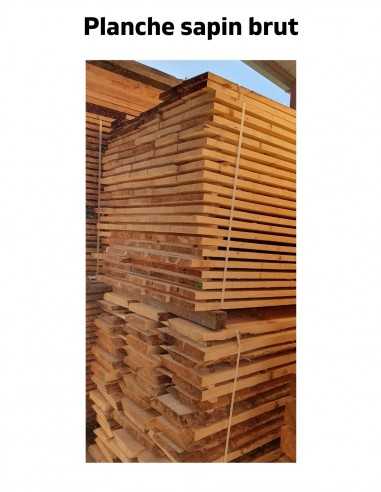
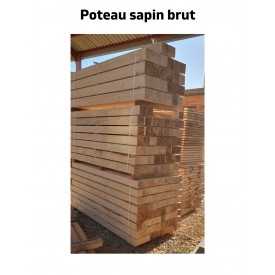
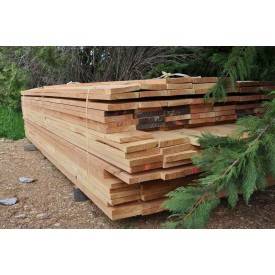
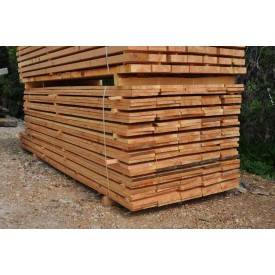
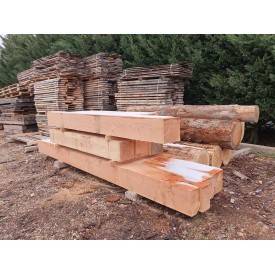
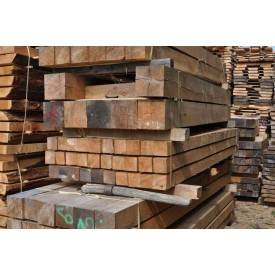
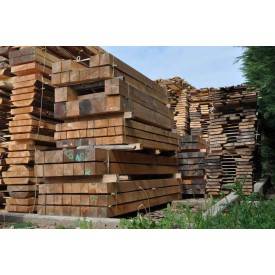
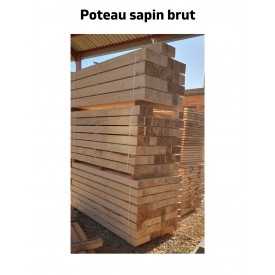
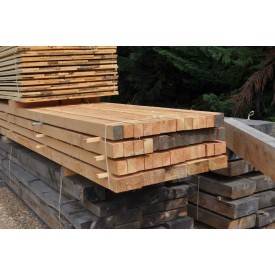
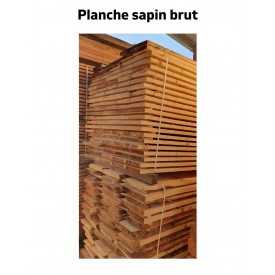
Untreated raw solid fir board, thickness 24mm, widths 150mm and 200mm, lengths 200cm and 240cm, sold individually. Class 2: indoor or covered outdoor use must be protected (stain, paint, varnish) before any exposure to rain or moisture — untreated raw fir deteriorates rapidly when exposed outdoors. Formwork, DIY, lightweight framing — versatile raw timber board to be cut as required on site.
This board in raw solid fir is a thin, wide piece intended for cladding, formwork, flooring, fencing and fitting-out work. Delivered untreated, it retains all the natural properties of the wood and is easily worked with a saw, plane or router. The available dimensions cover common construction and outdoor or indoor fitting-out uses.
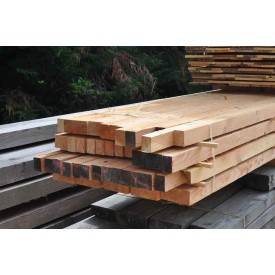
The raw fir board retains the natural sawn appearance – slightly fibrous surface, open grain with knots characteristic of fir. More economical than planed, it is suitable for applications where the surface is not visible or will be sanded before finishing. Indoor and protected outdoor use with appropriate treatment.
| Characteristic | Value |
|---|---|
| Species | Solid fir |
| Finish | Raw – untreated |
| Available dimensions | width 150mm and 200mm – thickness 24mm |
| Lengths | 200cm and 240cm |
| Use class | Class 2 – interior and protected exterior with appropriate treatment |
| Treatment | Untreated – to be protected according to use |
| Cut | Sold individually |
Ideal for DIY and self-build projects: concrete formwork, structural cladding, cupboard backing, casings, packaging. The 150mm width suits compact projects, the 200mm width suits larger surfaces to be covered.
Store boards flat on a ventilated support, off the ground, before installation. Allow an expansion gap of 3 to 5mm between each board for outdoor use – timber expands in width according to moisture content. Fix with A4 stainless steel or galvanised screws to avoid rust stains on the wood. For vertical cladding, use counter-batten battens to ensure ventilation behind the cladding.
For dry indoor use, no treatment required for a structural application. For a visible surface, sand to 80-grit then 120-grit before applying oil, varnish or paint. Outdoors, fungicide-insecticide treatment is essential – raw fir is particularly sensitive to moisture.
For formwork or structural cladding, the 200mm raw fir board is suitable without sanding or preparation. For a visible surface (cupboard back, cladding), a quick sand with 80-grit paper considerably improves the result.
Important before purchasing: Raw fir boards may show width variations due to sawing – measure each piece before installation if consistency is important for your project.
The raw board retains the sawn appearance – slightly irregular surface, natural texture, slightly larger dimensions. The planed board has been machined on its faces to achieve a smooth surface and precise dimensions. For visible cladding or a decorative application, planed gives a more refined result. For formwork or a concealed structure, raw is sufficient and more economical.
Shrinkage cracks are natural in untreated solid timber – they do not affect the strength of the board. To minimise them, store boards under cover until installation, apply a saturator or oil as soon as they are put into use, and avoid alternating exposure to rain and intense sunlight. On wide boards (200mm), cracks may be more pronounced than on narrow formats.
Yes, indoors in dry conditions. For a visible floor, sand the exposed face (80-grit then 120-grit) and apply a floor varnish or oil. The 27mm (raw) thickness is sufficient for a floor on joists at a maximum spacing of 40cm.
Untreated fir is sensitive to moisture outdoors – a fungicide-insecticide treatment is essential before outdoor installation. For dry indoor use, no treatment is required.
Yes. Lightly sand the surface (120-grit) before application. For paint, apply a suitable bonding primer for resinous timber. For stain or oil, apply directly to dry wood. Planed timber offers better adhesion than raw and consumes less product.
Planed fir board – same species, smooth surface
Raw douglas fir board – same finish, outdoor use without treatment

No questions yet.

Dispatch within 10 days when the product is in stock *.
* Except bespoke products
Dispatched within 6-8 weeks for personalised and made-to-measure products.

Payment in 1 or 3 instalments at no extra cost. Bank transfer, cheque or PayPal

Satisfied or refunded if returned within 14 calendar days (Sundays and public holidays included) following delivery.
No questions yet.