

Your cart
There are no more items in your cart

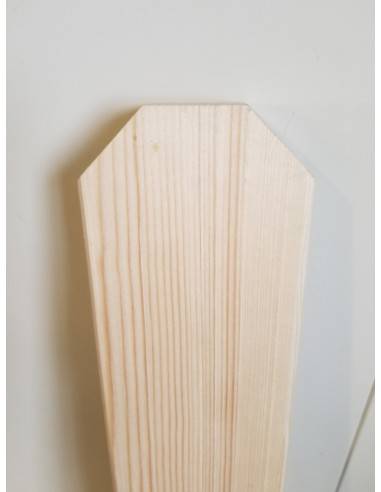
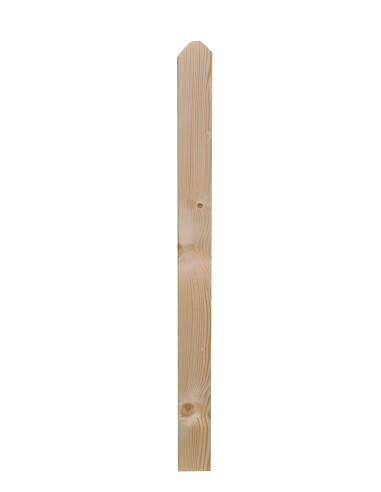
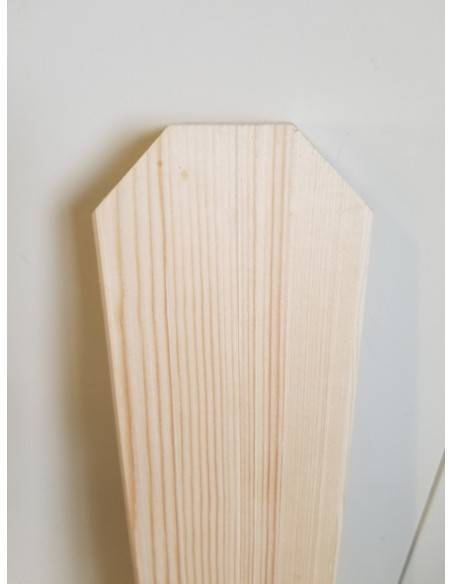
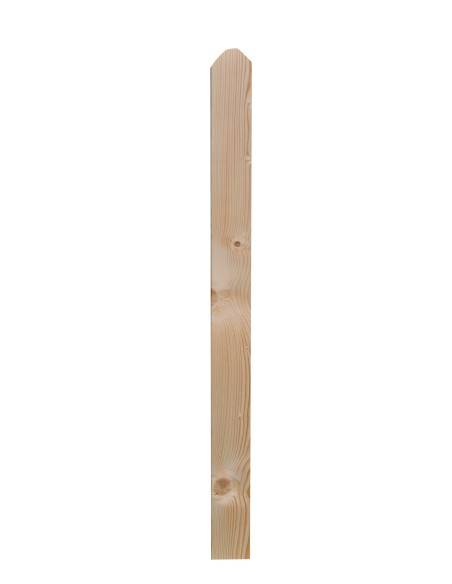
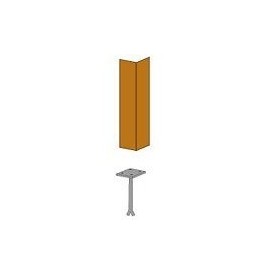
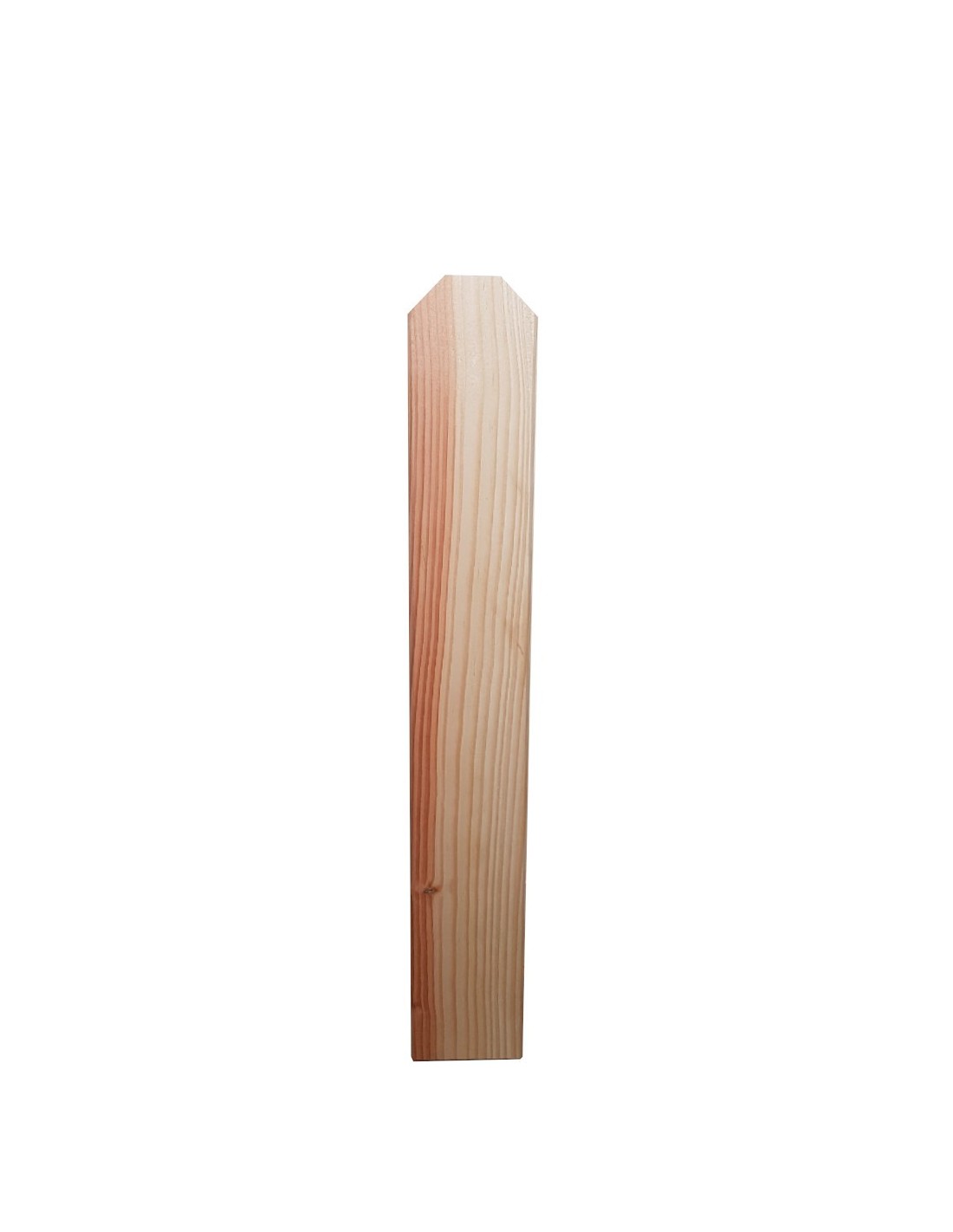
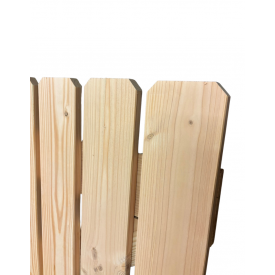
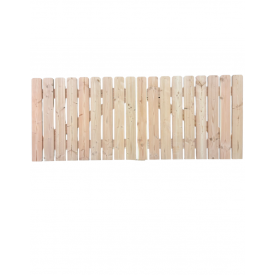
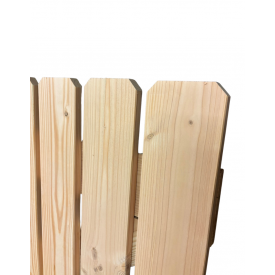
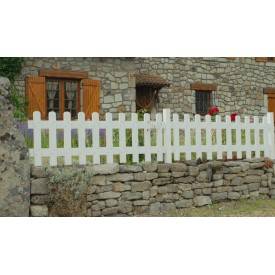
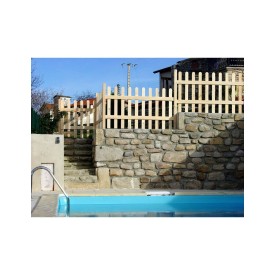
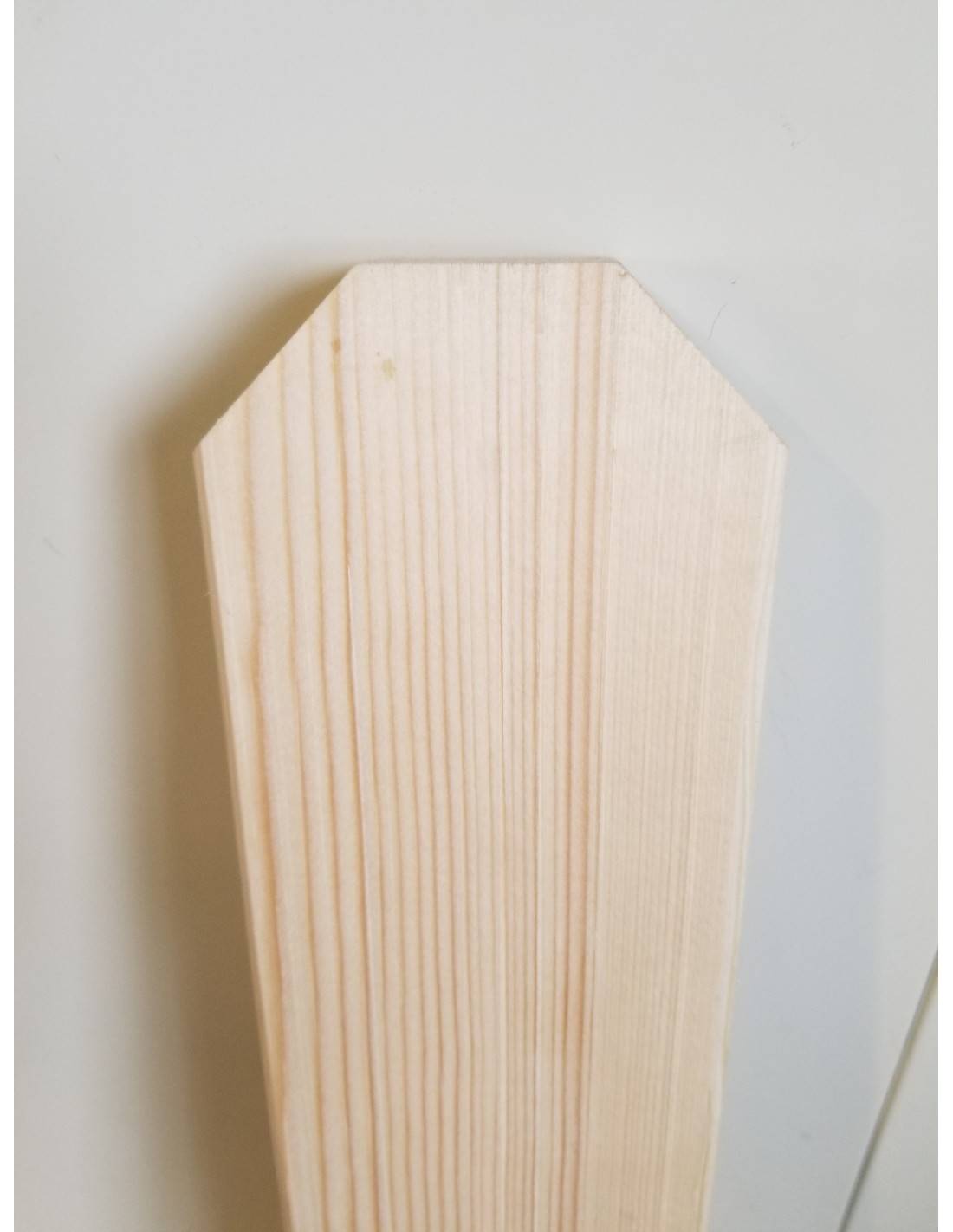
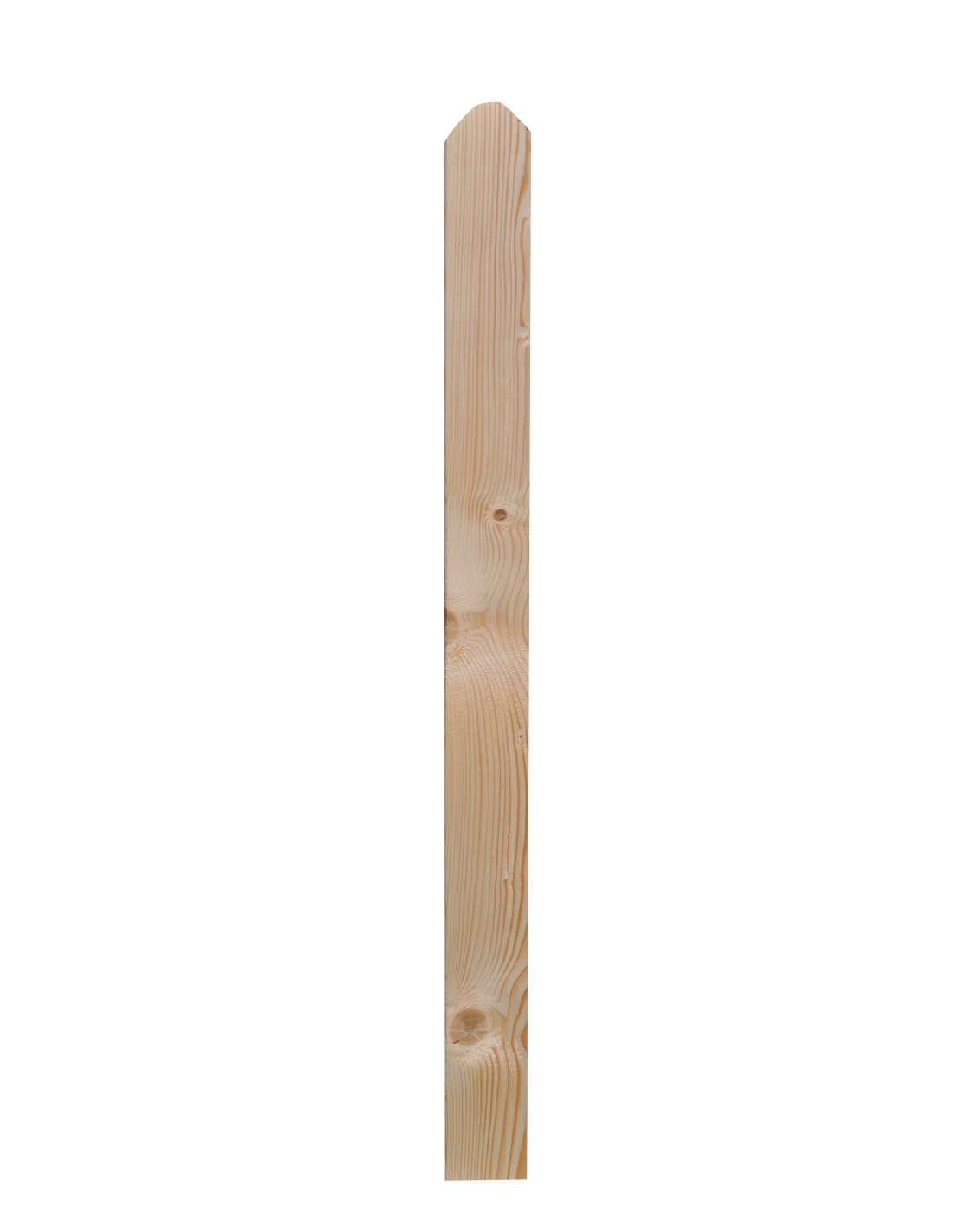
Natural untreated wood fence slat, length 60 cm. Bevelled Fir and Bevelled Douglas 91x21 mm, Rounded Pine 80x18 mm. Sold individually. Compatible with Woodup 91x21 mm rails. Spacing between slats from 10 to 30 mm depending on desired effect: from solid screening to an open trellis. Water-repellent protection to be applied before installation. Douglas recommended for exposed outdoor use. Calculate the number of slats: fence length divided by (slat width + chosen spacing).
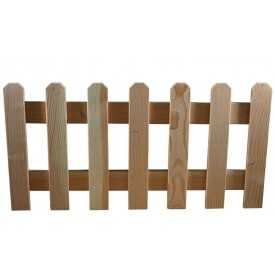
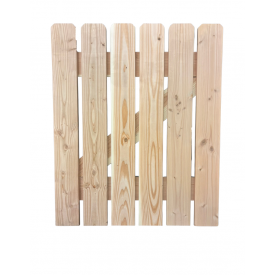
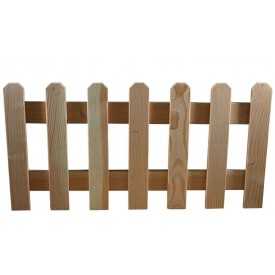
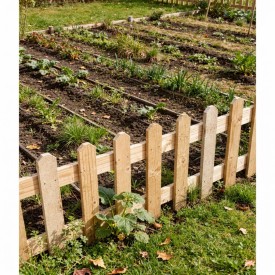
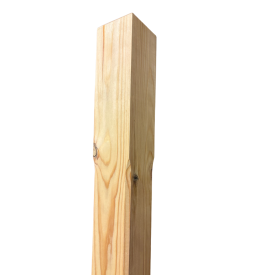
This untreated natural wood fence slat measures 60 cm long. Three options are available: bevelled fir and bevelled Douglas fir with a 91x21 mm section, and rounded pine with an 80x18 mm section. Sold individually, it can be used to build or extend a low fence, garden gate or decorative panel. It is compatible with the 91x21 mm rails in the Woodup range. Apply an exterior water-repellent treatment before installation.
| Specification | Description |
|---|---|
| Length | 60 cm |
| Bevelled fir | Section 91x21 mm |
| Bevelled Douglas fir | Section 91x21 mm |
| Rounded pine | Section 80x18 mm |
| Finish | Unfinished and untreated |
| Sold | Individually |
| Compatibility | Woodup 91x21 mm rails |
| Use | Outdoor use – treatment required before installation |
Calculate how many slats you need: for a fence without gaps, allow 17 slats of 60 cm per linear metre (91x21 mm section, fitted edge to edge). With 5 mm gaps between slats, allow 15 to 16 slats per metre. Pre-drill each slat before inserting screws to prevent splitting, particularly with pine and fir. Use 4x40 mm stainless steel screws to prevent rust stains. Apply the treatment to every face and edge before installation.
Spacing between slats: the gap affects both wind resistance and appearance. A 10 mm gap creates an almost solid look. A gap of 15 to 20 mm reduces wind load and is recommended for long fences and exposed locations. Beyond 25 mm, the open-slat effect lets light and views through.
Reapply the water-repellent treatment or wood stain every 2–3 years, depending on exposure. Douglas fir can be left untreated and will weather naturally to grey. Untreated pine and fir deteriorate quickly in damp conditions, so initial treatment is essential. Check the screws are tight annually, especially at the ends of the rails.
Before you buy: this 60 cm slat is sold individually. Work out how many slats you need based on the width of your fence and the spacing you want before ordering. It is compatible with WoodUp 91x21 mm rails (ID 754), which must be ordered separately if you are building a custom fence rather than using a complete kit. Rounded pine has a different section (80x18 mm) from the fir and Douglas fir slats (91x21 mm): do not mix wood species in the same project without checking fixing compatibility. Water-repellent treatment is essential before installation.
For 91x21 mm slats fitted edge to edge, allow 11 slats per linear metre. With 5 mm gaps, allow approximately 10 slats per metre. Adjust the quantity to suit your preferred spacing.
Technically, yes, but because the sections differ (91x21 mm versus 80x18 mm), the result will look uneven. Using one wood species throughout is recommended for a consistent appearance.
Yes. The 91x21 mm bevelled fir and Douglas fir slats are directly compatible with Woodup 91x21 mm rails. Rounded pine (80x18 mm) can also be fixed to them, but there will be a slight visual offset.
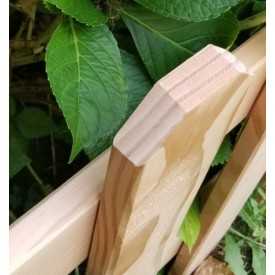
The bevelled slat has a sloping top edge that helps rainwater run off, reducing moisture build-up at the top. The rounded pine slat has a decorative semicircular profile that is less effective at shedding water.
Yes. A breathable exterior paint (acrylic or alkyd) is well suited to this type of wood. Apply a wood primer before the topcoat for better adhesion and durability.

No questions yet.
You might also like

Dispatch within 10 days when the product is in stock *.
* Except bespoke products
Dispatched within 6-8 weeks for personalised and made-to-measure products.

Payment in 1 or 3 instalments at no extra cost. Bank transfer, cheque or PayPal

Satisfied or refunded if returned within 14 calendar days (Sundays and public holidays included) following delivery.
No questions yet.