

Your cart
There are no more items in your cart

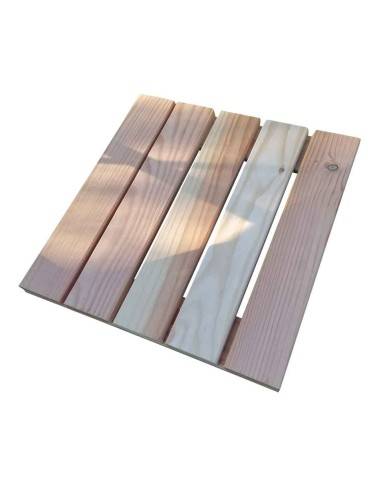
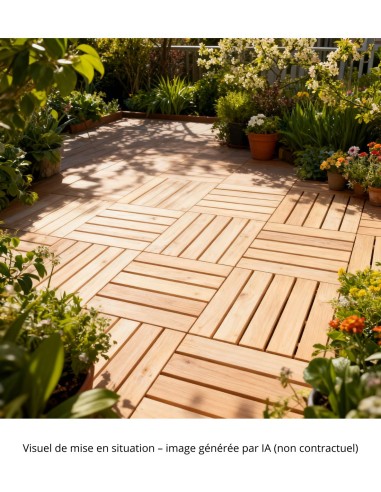
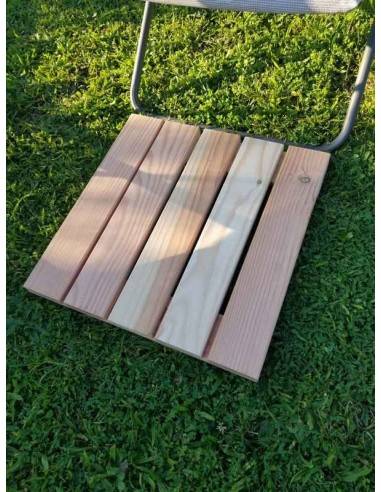
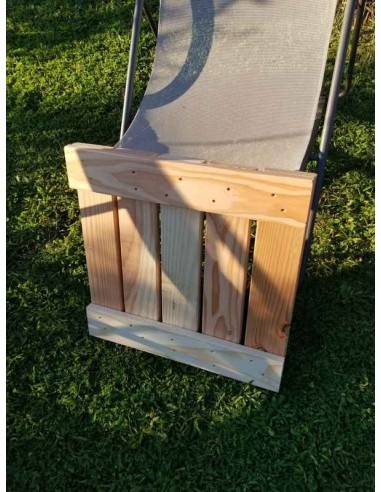
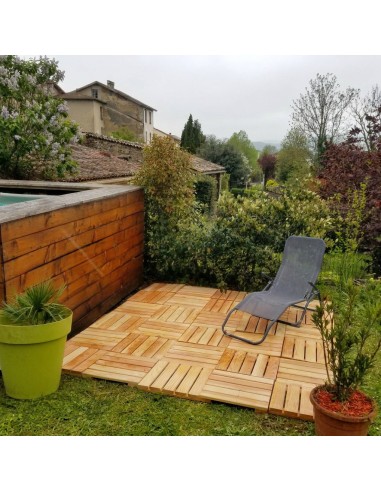
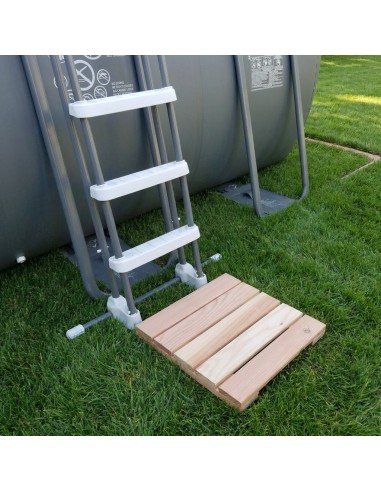
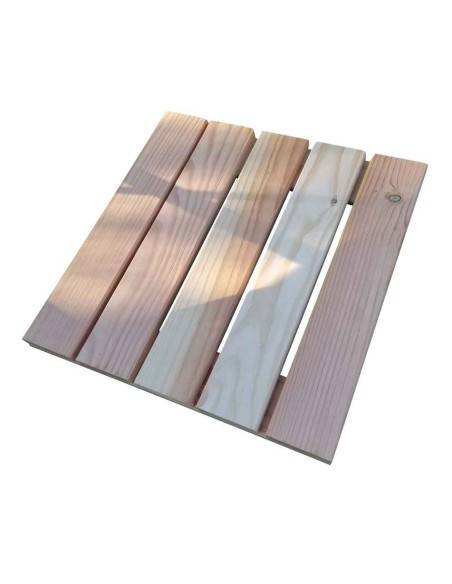
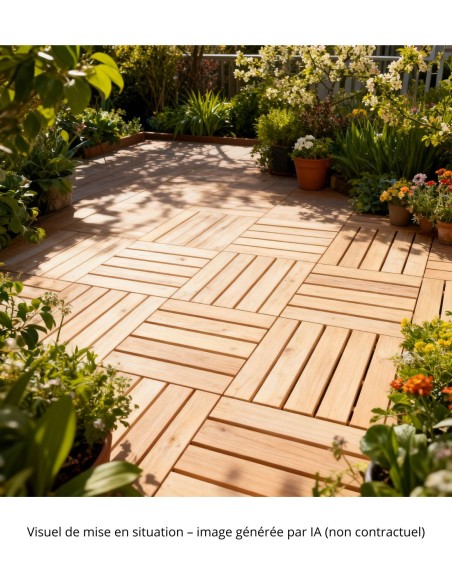
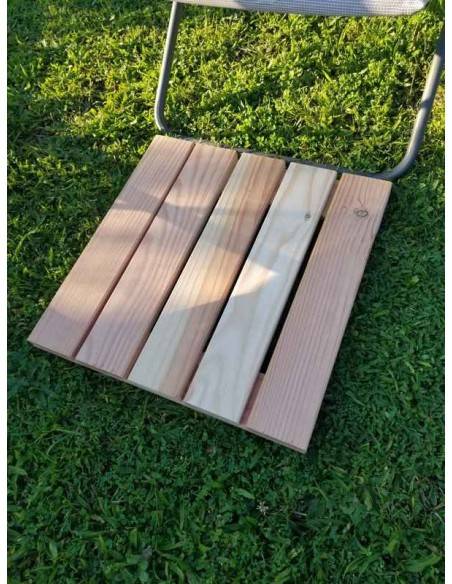
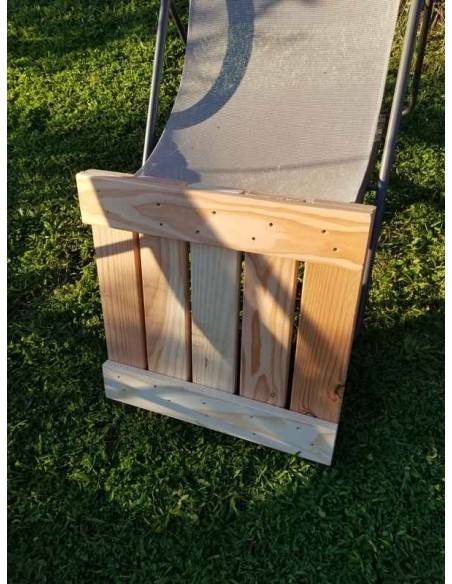
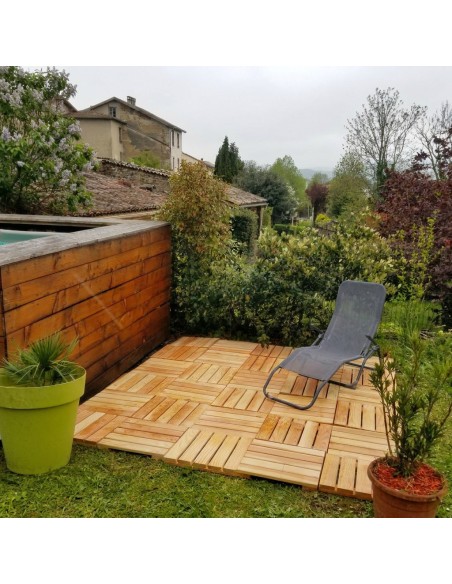
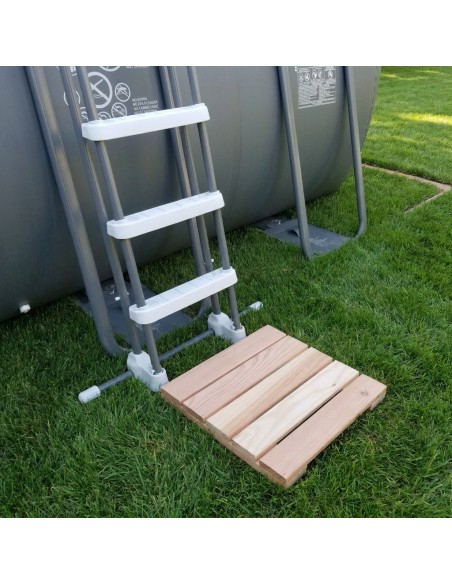
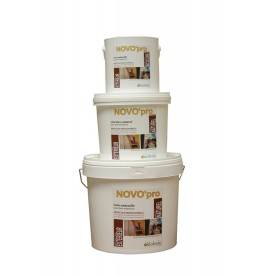
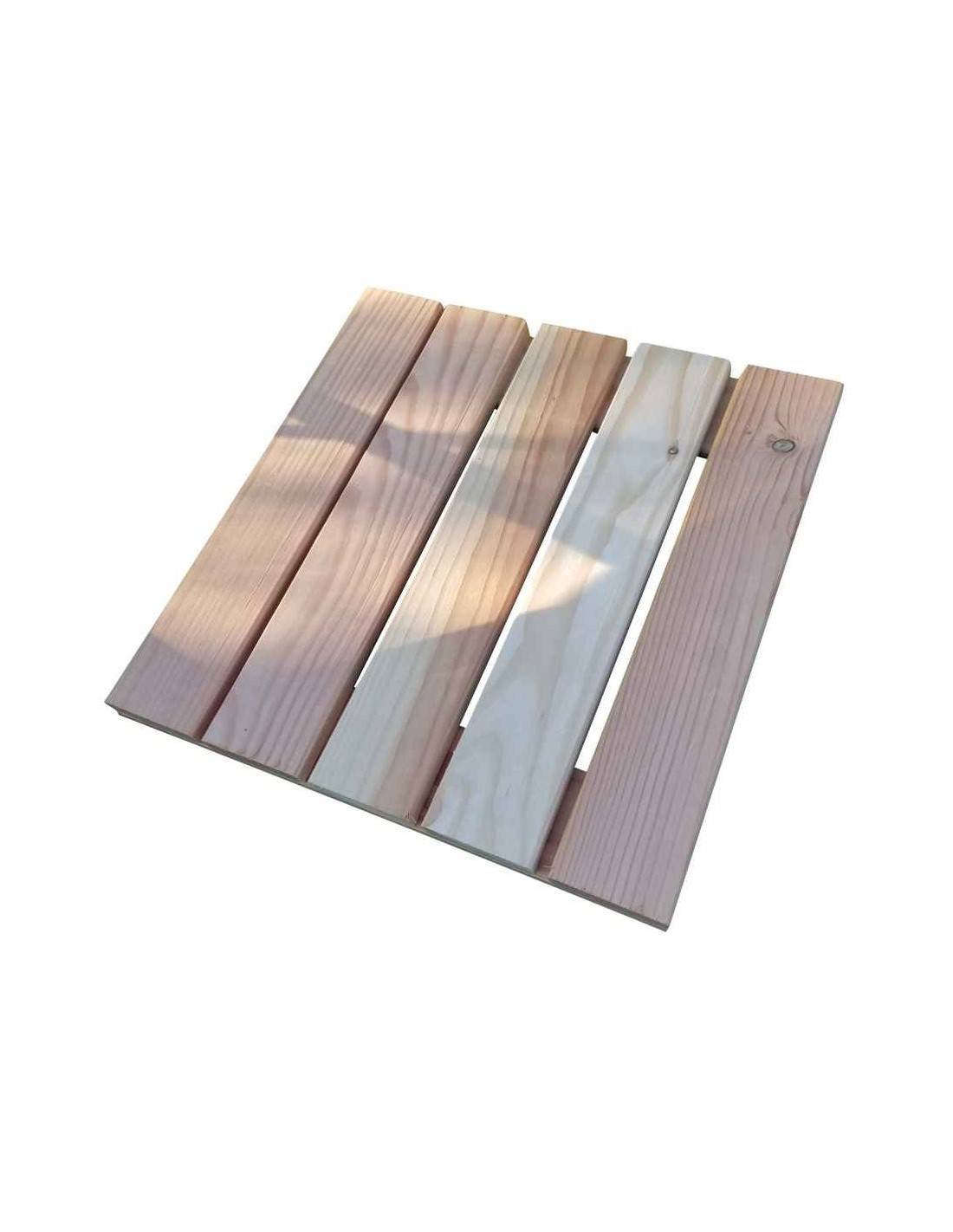
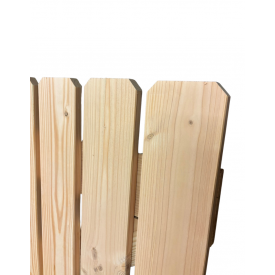
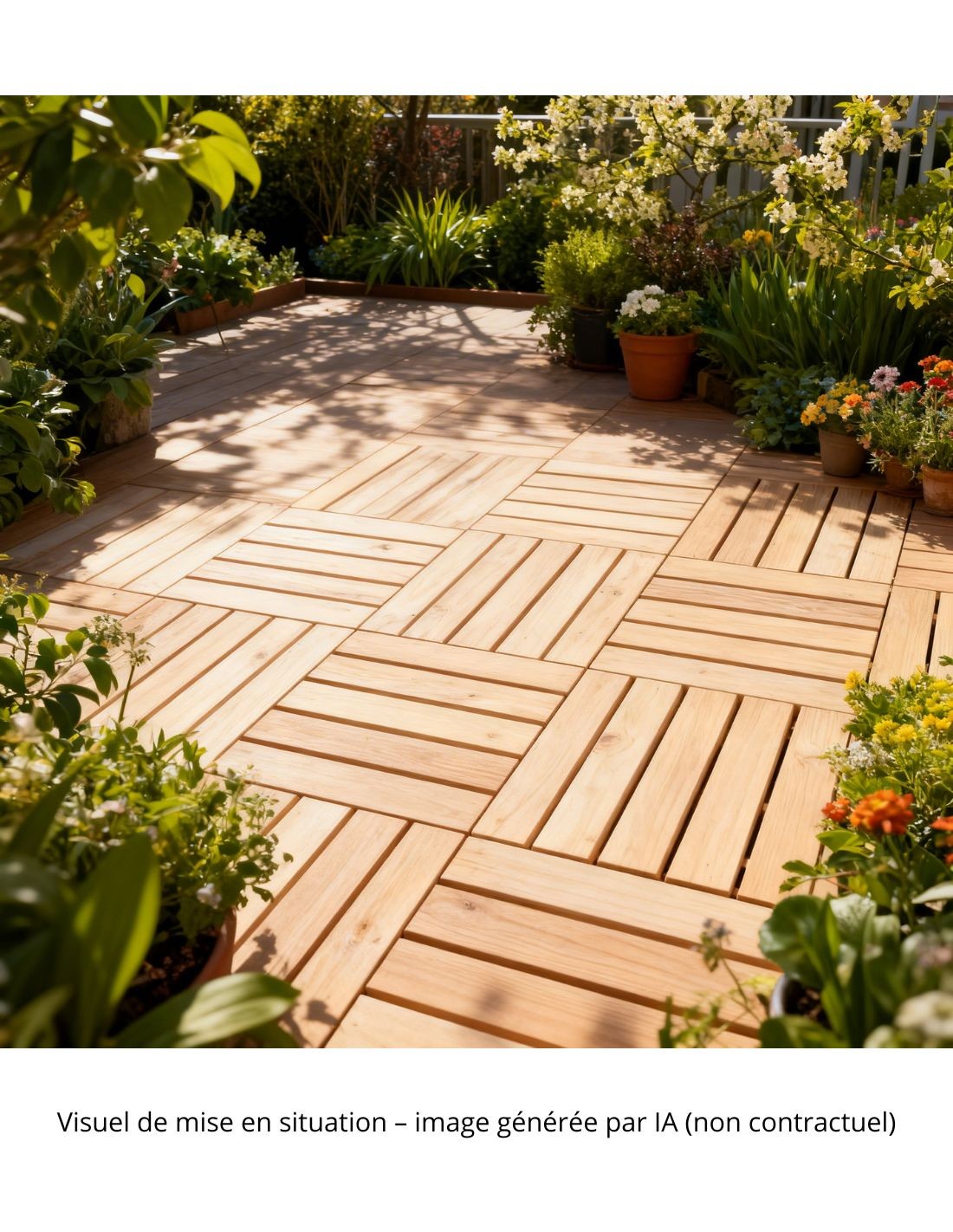
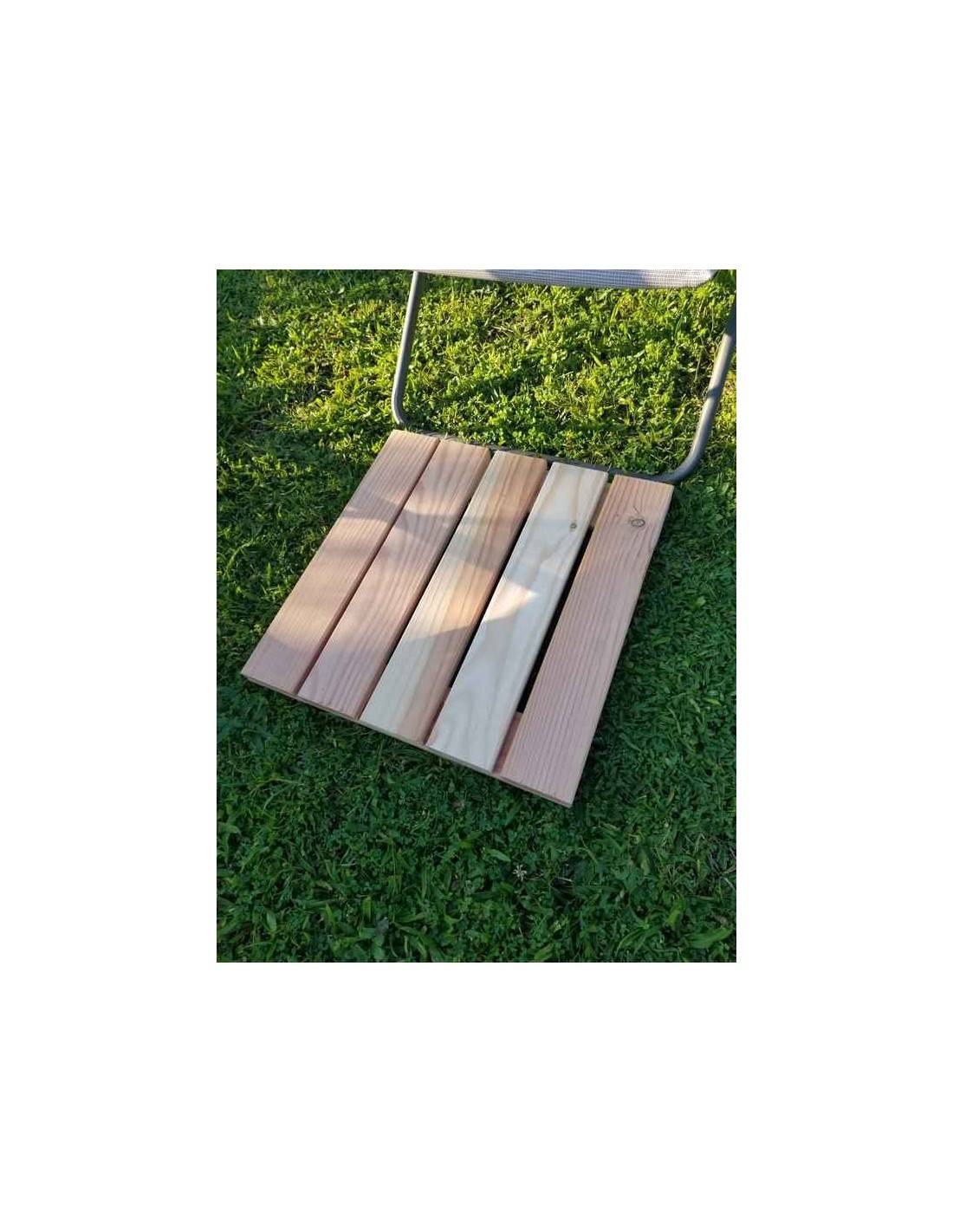
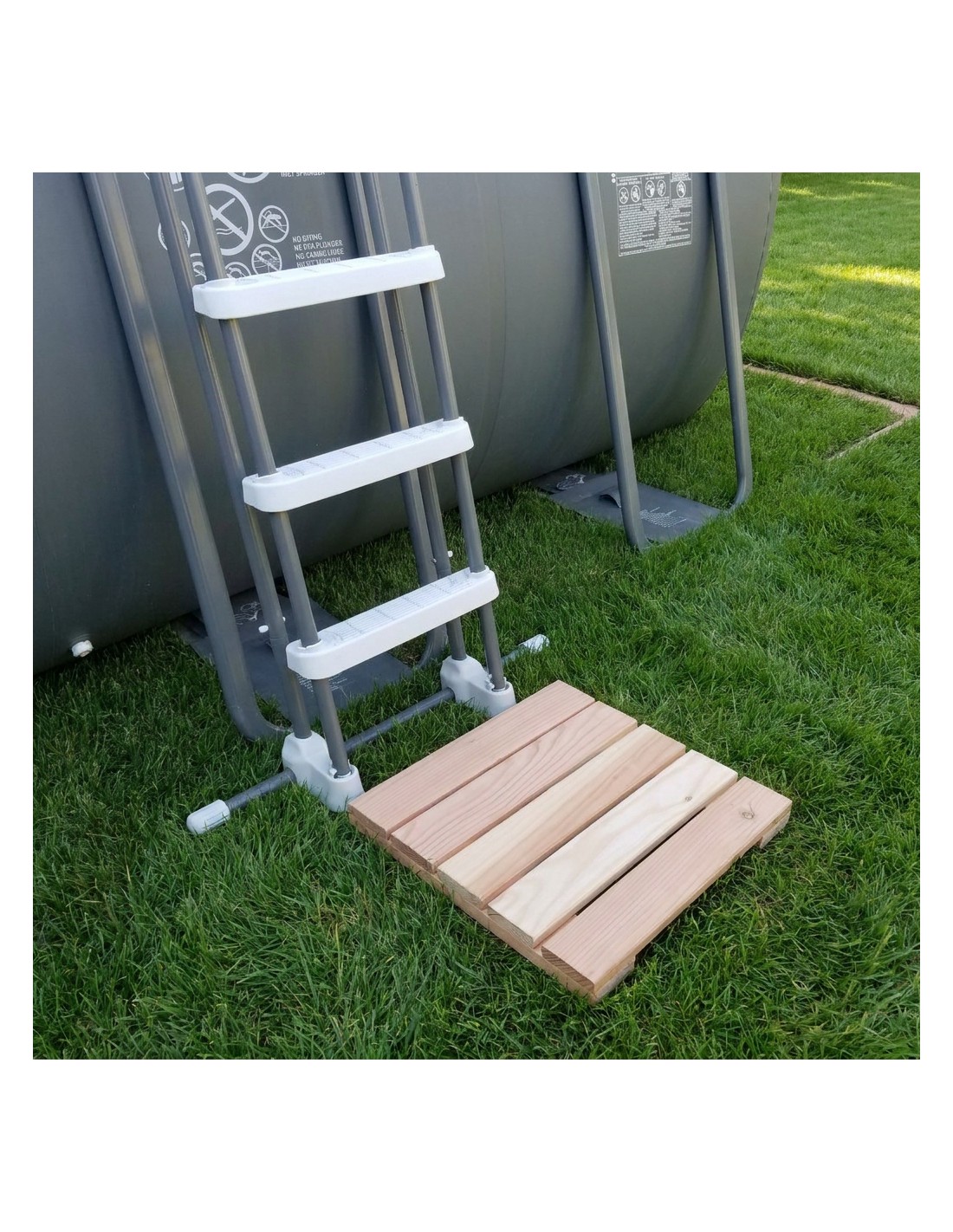
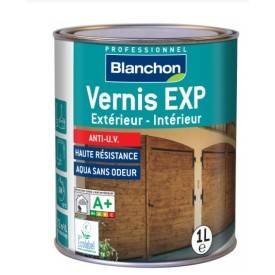
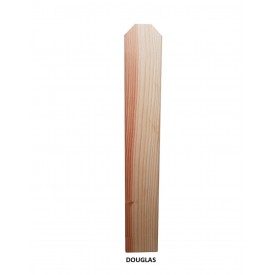
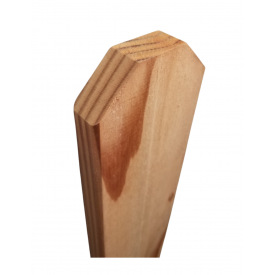
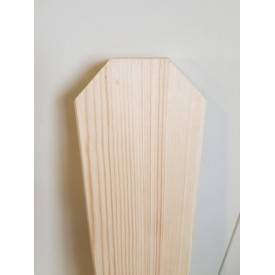
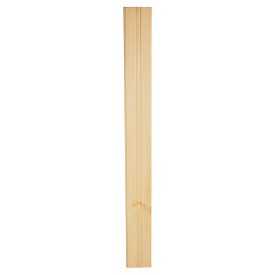
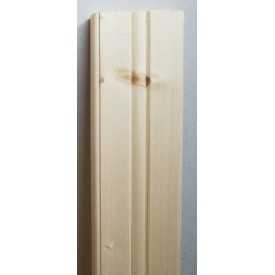
Douglas fir wood tile 50x50x5 cm, Massif Central, 9x21 mm nailed slats, French manufacture. 4 tiles for exactly 1 m². 50 mm thickness greater than the market standard (44 mm) – improved rigidity under foot traffic. Douglas fir class 3, outdoor use without mandatory treatment. Weight 4.5 kg per tile. Terrace, balcony, garden path, free-lay on concrete slab or PVC pedestals. Douglas fir greys naturally – saturator available to preserve the original colour.
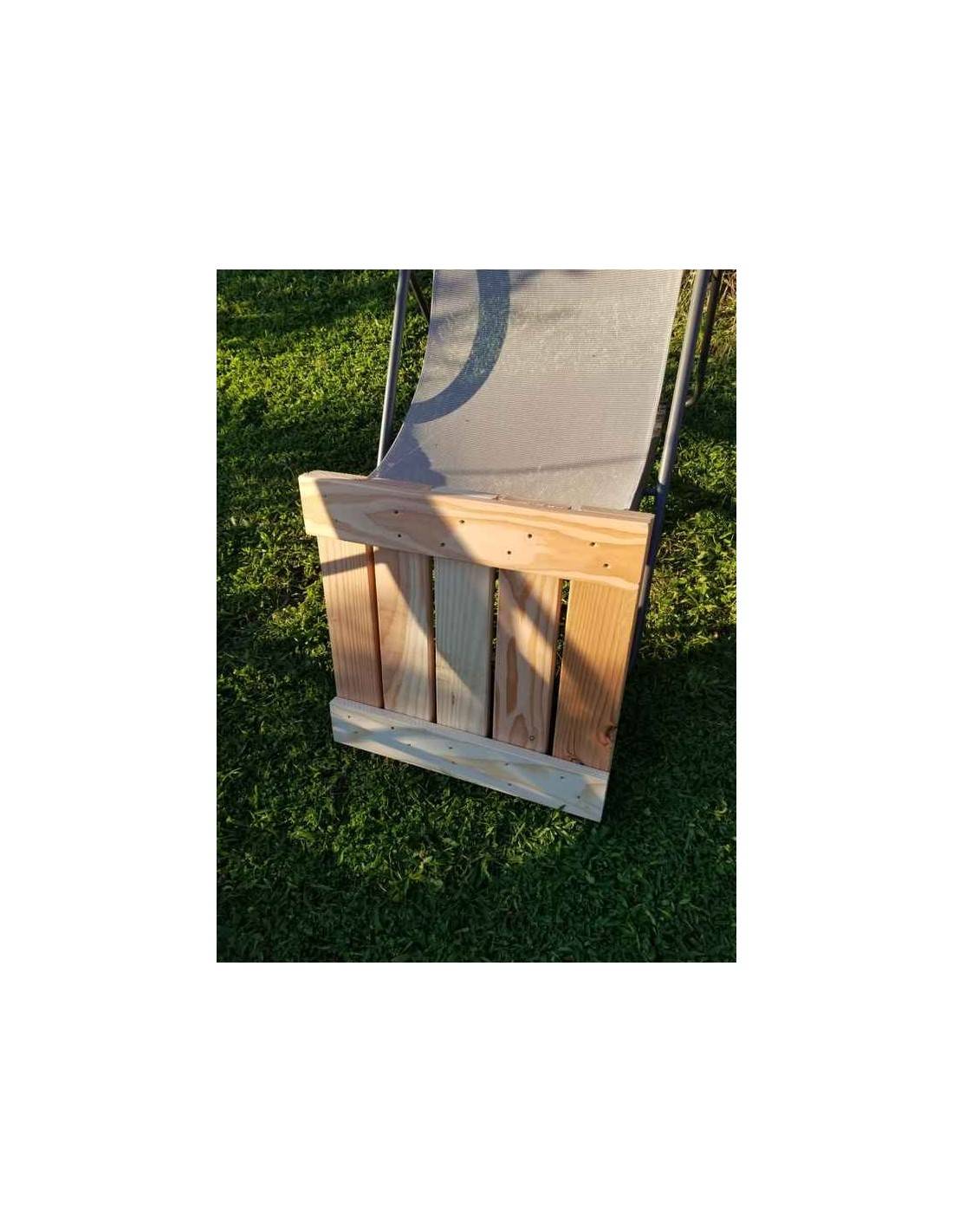
This wood slab in Douglas fir from the Massif Central measures 50x50x5 cm, with boards of section 9x21 mm assembled by nailing. Four slabs cover exactly 1 m², which simplifies the calculation of surfaces to be covered with no waste or complex cut-outs. Manufacture is entirely French. Each slab weighs 4.5 kg.
The 50 mm thickness exceeds the usual market standard (44 mm for the majority of competing products). This additional thickness reinforces the rigidity of the slabs under foot traffic and limits the risk of deflection on insufficiently closely spaced supports. Douglas fir is naturally durable in class 3 (no ground contact, exterior), which allows it to be used without mandatory treatment on a terrace or balcony.
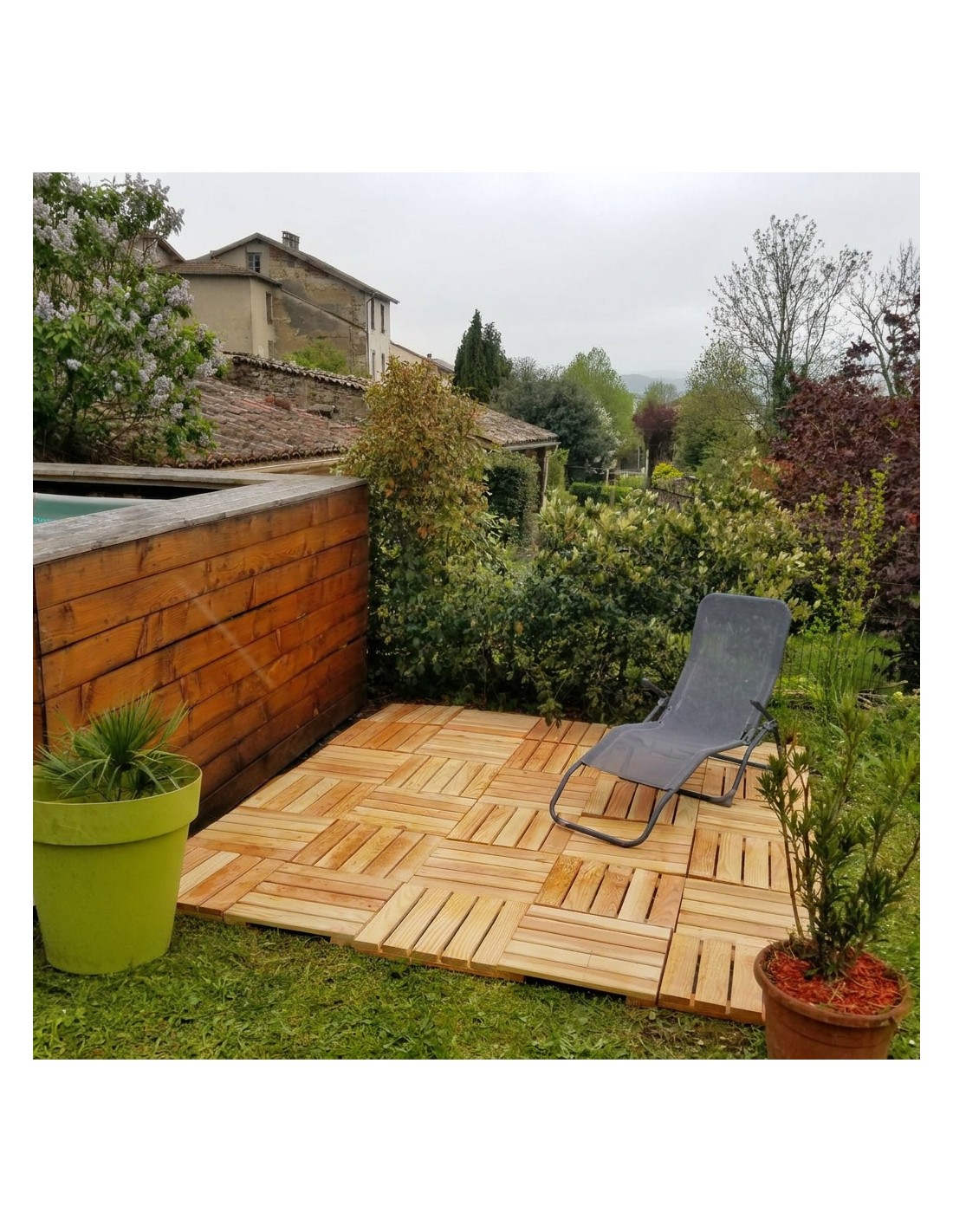
These slabs are suitable for terraces, balconies, garden paths and poolside areas. They are laid loose — without permanent fixings — making them removable as needed. They adapt to all stable surfaces: concrete slabs, adjustable PVC pedestals, breeze blocks or packers. A ventilation gap of 2 to 5 mm between adjacent slabs is recommended for rainwater drainage.
| Characteristic | Description |
|---|---|
| Dimensions per slab | 50 x 50 x 5 cm |
| Board section | 9 x 21 mm |
| Weight per slab | 4.5 kg |
| Coverage | 4 slabs for exactly 1 m² |
| Species | Douglas fir (Pseudotsuga menziesii) - Massif Central |
| Natural durability class | Class 3 — exterior, no ground contact |
| Assembly | Nailed boards |
| Manufacture | French — Massif Central |
| Delivery condition | Untreated raw |
| Use | Exterior — terrace, balcony, garden, poolside |
| Installation | Loose-lay — no permanent fixings, removable |
| Compatible supports | Concrete slab, PVC pedestals, breeze blocks, packers |
Lay these Douglas fir wood slabs on a flat, stable and draining surface. The most common solution is a concrete slab with adjustable PVC pedestals: the pedestals compensate for level irregularities and ensure an air gap beneath the slabs, an essential condition for ventilation and wood durability. On well-compacted gravel or stabilised ground, the slabs can be laid directly on levelling packers.
Leave a gap of 2 to 5 mm between each slab to allow rainwater run-off and seasonal expansion of the wood. Orient the boards in the same direction for a linear effect, or alternate from one slab to the next for a chequered effect. Cut-outs are made with a circular saw or jigsaw. Protect freshly cut edges with an exterior finishing oil before installation to limit moisture absorption at the ends.
Avoid installation on waterlogged ground or in permanent contact with soil: Douglas fir is class 3 (exterior, no ground contact), not class 4. At garden borders, lay the slabs on a geotextile membrane to limit plant regrowth beneath the slabs.
Delivered untreated and raw, Douglas fir naturally weathers to grey within 6 to 12 months of exposure. This greying is superficial and does not affect the mechanical properties of the wood. To retain the original pinkish-brown colour, apply an exterior wood saturator at installation, then renew every 1 to 2 years depending on exposure.
Clean the slabs twice a year with a soft brush and soapy water (neutral pH). In the event of moss or lichen, use an exterior wood fungicidal product before re-saturating. Check the condition of the pedestals or support packers annually and re-level if necessary.
The 50x50 cm Douglas fir wood slab is a French-made decking tile, with nailed boards rather than clipped onto a plastic structure. The 50 mm thickness (vs 44 mm for the majority of models on the market) gives it better rigidity and increased durability under regular foot traffic. Naturally durable Douglas fir, class 3, does not require mandatory autoclave treatment, unlike pine which must be impregnated to withstand outdoor use.
You need exactly 48 slabs to cover 12 m² (4 slabs per 1 m², so 12 x 4 = 48). Allow 5 to 10% extra if your surface has angles to cut or cut-outs around obstacles. For a rectangular terrace without complex cut-outs, the calculation is straightforward: surface area in m² x 4 gives the number of slabs.
Yes, it is even the optimal configuration. Lay the slabs on adjustable PVC pedestals to create an air gap of 3 to 5 cm beneath the slabs — this allows drainage and ventilation, essential conditions for wood durability. On a concrete terrace with a slope (1 to 2% for water run-off), the pedestals allow you to achieve a horizontal plane even if the underlying slab is not perfectly level.
Yes, provided the balcony has sufficient load-bearing capacity (to be verified with the project manager). Each slab weighs 4.5 kg. For a 6 m² balcony, allow 24 slabs, giving a load of 108 kg to be assessed with the structure before ordering. Installation on pedestals is still recommended even at height to maintain drainage.
Douglas fir from the Massif Central is a French-produced timber, with no impact on tropical forests, with a traceable local processing supply chain. Unlike composite wood, it can be repaired, sanded and re-treated — a damaged slab can be replaced individually. Compared to exotic species (ipe, padauk), Douglas fir offers a better price-to-durability ratio for class 3 exterior use: exotic species are only essential for class 4 (permanent ground or water contact).
Greying is a natural evolution of Douglas fir outdoors, expected within 6 to 12 months. It results from the action of UV and moisture on superficial lignins — the mechanical properties are not affected. If silver-grey suits your project, no treatment is necessary. To maintain the original pinkish-brown colour, an exterior saturator applied from installation and renewed every 1 to 2 years is sufficient.

No questions yet.
You might also like

Dispatch within 10 days when the product is in stock *.
* Except bespoke products
Dispatched within 6-8 weeks for personalised and made-to-measure products.

Payment in 1 or 3 instalments at no extra cost. Bank transfer, cheque or PayPal

Satisfied or refunded if returned within 14 calendar days (Sundays and public holidays included) following delivery.
No questions yet.